

Beyond Pain Relief: Chiropractic for Posture Problems in High-Pressure Careers
From Stiff Necks to Strategic Thinking
Posture problems are not just about looking slumped in a photo. For many people in high-pressure roles, they are about how clearly you think, how well you breathe, and how long you can stay focused without feeling drained. If your days are full of performance reviews, planning meetings, and long stretches at the laptop, you know how quickly a tight neck or aching mid-back can steal attention.
Posture connects directly to how your body uses energy. When your body is bracing or collapsed, breathing often becomes shallow, your brain gets less oxygen, and small decisions feel harder. This is why chiropractic care for posture can be much more than a quick crack or a short-term fix. It can be about helping your nervous system stay adaptable so you can think clearly and perform under pressure without burning out your body.
At Align Chiropractic in South Melbourne, we see posture as part of the bigger picture of pain, prevention, and performance. Our focus is gentle, tailored care informed by modern neuroscience and decades of clinical experience, so high-performing professionals, pregnant women, and families can get support that fits real life, not just textbook posture charts.
How High-Pressure Workloads Shape Your Posture
Long hours and tight deadlines do not just tire your mind, they change the way you hold yourself. When you are locked into a screen or intense conversation, common patterns tend to show up over time:
Forward head and chin poking toward the screen
Rounded shoulders and a collapsed chest
Locked or gripped lower back while you sit or stand
Hips that feel stuck from sitting, then stiff when you finally move
Your nervous system is built to respond to stress. When it senses threat, even if that threat is an overflowing inbox, it can shift into a fight or flight state. In that state you may notice:
Shallow, fast breathing
Tight jaw and shoulders
Clenched hands or feet pressed hard into the floor
A general sense of being wired but tired
Hold that pattern for weeks or months, and your body starts to treat it as normal, so the posture you have at your desk begins to follow you home. You might find it hard to relax on the couch without slumping, or you wake with neck stiffness even after a quiet weekend.
These changes have real-world effects for performance. Many professionals report more:
Neck and back discomfort
Headaches after long meetings
Reduced concentration and brain fog
Irritability and poor sleep
We see posture as dynamic, not something that is simply good or bad. Your body is always adapting to the demands you place on it. The aim is not to hold a rigid, military-style shape all day. Instead, we want you to have options, freedom to move, and a sense of ease in different positions so your body can support your work, not fight against it.
Rethinking Posture Through the Nervous System
At Align Chiropractic, we take a function-first, nervous-system-centred view of posture. Rather than focusing only on tight or weak muscles, we look at how your brain and body are talking to each other. Posture, in this view, is one output of your nervous system. It reflects how your brain is processing information from your joints, muscles, eyes, inner ear, and environment.
When spinal joints are not moving well, or certain areas are overloaded, the messages going back to your brain can become blurry or skewed. That can change:
Your sense of balance
Where your body feels centred or neutral
How much effort it takes to sit or stand upright
How quickly you fatigue in certain positions
By improving spinal movement and joint function, we aim to improve the quality of information sent to your brain. With clearer input, your nervous system can organise posture and movement with less strain. Over time this can shift you from constantly chasing sore spots to building better overall adaptability.
This model also fits well with a team-based approach. Chiropractic does not have to sit in its own box. Care for professionals often works best when it sits alongside:
GP care for broader health questions
Physio or exercise physiology for strength and rehab
Psychology or coaching for stress and mindset
Workplace ergonomics and HR support for load management
Busy periods like planning cycles or end of financial year can be easier to handle when your body and nervous system are prepared, not just your calendar.
What a Chiropractor for Posture Problems Actually Does
If you are a high-performing professional searching for a chiropractor for posture problems, you might wonder what actually happens when you walk into a practice like ours. The first visit is less about jumping straight onto a table and more about understanding you.
We usually start with a thorough history, including:
Current concerns and symptoms
Work demands, travel patterns, and stress load
Past injuries or surgeries
Sleep, exercise, and personal stressors
Then we assess how your body is working. This can include looking at your posture in different positions, checking spinal and joint movement, and using simple tests that give clues about how your nervous system is functioning.
Any chiropractic adjustments or other techniques we use are chosen to suit you as an individual. That might mean lighter approaches for someone who is highly sensitised and exhausted, or different strategies for:
Office workers glued to a laptop and back-to-back video calls
Consultants juggling flights, hotels, and inconsistent desks
Parents trying to balance work, childcare, and broken sleep
Care plans are reviewed regularly. We aim for clear, honest conversations about goals, whether that is making long meetings more tolerable, easing that constant upper back tightness, or supporting clarity and energy through busy weeks. Choosing a chiropractor for posture problems who understands high-pressure environments helps close the gap between short-term pain relief and long-term performance.
Habits That Reinforce Better Posture Beyond the Desk
Chiropractic care can help reset how your body and nervous system work, but what you do between visits matters too. The good news is you do not need an hour-long routine to support better posture. Small habits, done often, can make a real difference.
Simple movement ideas include:
Micro-movements during long calls, such as gentle neck turns or shoulder rolls
Standing or walking for some meetings when practical
Changing your sitting position every 20 to 30 minutes
Shifting weight between feet when standing to avoid locking joints
Nervous-system-based tools can help your body downshift from constant alertness:
Slow nasal breathing, with slightly longer exhales
Brief visual breaks where you look at something far away, not a screen
Short mobility routines that focus on chest opening and hip movement
Gentle floor time in the evening to stretch, breathe, and reset
For most people, the key is not doing everything at once. Pick one or two anchor points in your day, such as:
After each major meeting
At lunch
Before leaving the office
Tie a simple reset to those moments and build from there. Posture tends to change most easily when your nervous system, work environment, and daily routines are all addressed together, rather than in isolation.
Turning Posture Into a Performance Advantage
Posture is not just about standing up straight. It is about how open, grounded, and comfortable you feel in your body while you make decisions, run teams, and show up for the people who rely on you. When your body feels supported instead of strained, it is easier to think clearly, present with confidence, and maintain steady output across busy seasons.
If you notice ongoing tension, slumping, or work-related aches that keep returning, it can be helpful to seek an assessment rather than waiting for pain to become disruptive. Early, preventive care often gives more options and can be easier to integrate into your schedule before things feel urgent.
At Align Chiropractic, we are committed to supporting South Melbourne professionals and families with nervous-system-centred chiropractic care that keeps an eye on pain, prevention, and performance. By working with how your body and brain actually function, posture can shift from being a constant frustration to a quiet advantage in your high-pressure career.
Start Improving Your Posture And Comfort Today
If you are noticing ongoing tension, fatigue or discomfort linked to the way you sit or stand, we can help you understand what is really going on and create a plan that fits your daily life. Whether you are looking for a trusted chiropractor for posture problems or simply want a professional assessment, our team at Align Chiropractic will guide you through each step. We take the time to listen, assess thoroughly and explain your options clearly so you can make informed decisions about your health. If you are ready to get started or have questions, please contact us.

Why High Performers Choose a Wellness Chiropractor for Brain Focus
Why High Performers Choose a Wellness Chiropractor for Brain Focus
Clear thinking is now a non‑negotiable part of high performance. If your workday is full of decisions, meetings, data, and constant messages, you know how quickly your brain can feel overloaded. Long hours, rapid context switching, and pressure to perform can drain focus and slow your ability to think strategically.
Many high performers already invest a lot in their mind. You may track sleep, lift weights, plan your meals, or work with a coach or psychologist. Yet, even with all of that, focus and resilience can still swing from sharp to scattered, especially when stress builds. One missing piece is often this: your brain focus is not only about mindset, it is also about how well your nervous system is working in the background.
This is where a wellness chiropractor can be a part of your health care management. With a function‑first, nervous‑system‑centred approach, chiropractic care can support the physical and neurological foundations that help you think clearly, stay steady under pressure, and recover well between big days. In this article, we will look at how your spine and nervous system influence focus, why high performers are choosing proactive care, and how chiropractic can slot into a wider, evidence‑informed performance plan to help you get the most out of your life.
How Your Nervous System Shapes Focus and Decision‑Making
Your brain, spine, and nerves work together like a live information network. Your spine protects the spinal cord, which carries messages between your body and brain. Every second, your brain is sorting signals about position, movement, tension, and internal state. These signals help shape:
Attention and focus
Reaction time and decision speed
Emotional steadiness under pressure
Planning, memory, and self‑control
If this flow of information is clear and well organised, it is easier to stay present in a long meeting, hold complex ideas in mind, and respond rather than react. If the system is under strain, thinking can feel fuzzy or scattered.
Modern work often loads this system in quiet but powerful ways. Hours of sitting, leaning toward screens, and working from laptops can lead to:
Forward head posture and rounded shoulders
Tension through the neck, shoulders, and jaw
Compressed or irritated joints in the spine
Shallow breathing and tight chest muscles
Over time, these patterns may influence how your body sends signals to your brain. The brain then has to work harder just to make sense of what is going on. Many people describe this as feeling wired but tired, or mentally flat even when they have slept.
A well-regulated nervous system can shift smoothly between high output and recovery. You can be switched on for a presentation, then actually switch off at night. Chiropractic, when it focuses on function and the nervous system, is less about a quick crack to chase symptoms and more about supporting this adaptability over months and years. The goal is to keep sensory input as clear as possible so your brain can do its best work.
Why High Performers Look Beyond Symptom Relief
Many people still see health care as something you use only when you are in crisis. You push hard, ignore the warning signs, and then book an appointment when pain stops you in your tracks. High performers are starting to think differently. They view their body and brain as core business assets, and they invest in those assets before things break.
Instead of asking, “How do I stop this pain today?” they ask, “What systems keep me sharp, steady, and available for the long haul?” That shift leads to weekly or fortnightly habits that are booked into the diary first, not squeezed in last. These might include:
High performers also tend to notice early, subtle signals. They pay attention when:
Brain fog hits late afternoon
Mental stamina drops in long board meetings
Irritability spikes under pressure
Neck, jaw, or back tension does not ease with stretching
They look for practitioners who can help make sense of these signs through a nervous system lens and who can offer practical, realistic strategies. Chiropractic care then becomes part of an integrated team, working alongside GPs, psychologists, physios, and others to support the physical and neurological base that busy seasons place pressure on, such as the lead‑up to reporting or end‑of‑year deadlines.
What a Wellness Chiropractor Does Differently
So what makes a wellness chiropractor different from a practitioner you only see when your back “goes out”? The focus is not just on symptom spikes but on how well your spine and nervous system are working across pain, prevention, and performance.
In a values-led practice, high‑performing professionals can usually expect:
A thorough chat about your work, stress, sleep, and goals
Clear, simple explanations of what is found in assessments
Modern ways of checking how your spine and nervous system are functioning
A plan that respects your time, schedule, and responsibilities
Care often includes hands-on chiropractic adjustments, tailored to your body and preferences. But it does not stop there. Sessions may also include education around:
How you sit, stand, and move during long days
How you manage physical load in and out of work
Desk and screen set‑up that works with your body, not against it
Breathing patterns that support calm focus
Recovery habits that help you reset after intense periods
Ethical communication is key. A chiropractor who is focused on lifestyle based, performance or wellness care doesn’t use scare tactics, empty promises, or pressure. At Align we create care plans based off your goals, with measurable and trackable objectives. Our goal is to serve you, we always aim to leave space for your questions and for you to make informed decisions.
Chiropractic care does not try to replace other practitioners that you might have as part of your health team. At Align we work alongside other professionals, often with open lines of communication to GPs or other providers if and when that is useful.
Building a Brain‑Focused Care Strategy
If you are planning for a big year of output, it helps to step back and review what actually supports your brain. A simple self‑audit might look at:
Sleep quality and consistency
Daily movement and strength
Screen time and break frequency
Stress levels in and out of work
Current support team and gaps
Align chiropractic is focused on providing an evidence‑informed approach to helping you reach your goals. We love working with people in demanding roles, and we have the ability to talk about goals beyond pain relief, like clarity, output, and resilience.
Our belief is that your health care practitioner should be someone who explains things in plain language, invites questions, and is happy to collaborate with other members of your care team.
As work intensity tends to rise after summer, it can be smart to set up support before pressure peaks. Looking after yourself proactively, combining exercise, sleep focus, nutrition, and chiropractic visits can set you up for success going into the rest of the year. Tracking changes in energy, focus, and decision‑making quality over that time can give you your own data about what actually helps you show up as your best self.
Taking the Next Step Toward Clearer Thinking
Reframing chiropractic as an investment in cognitive clarity can shift how you prioritise it. Instead of thinking of care as something you do only when your neck locks up, you can see it as one way to care for the system that carries every decision, idea, and conversation.
At Align Chiropractic in South Melbourne, we bring together long clinical experience, modern neuroscience, and clear, honest communication to support people across pain, prevention, and performance. For high performers who value focus, steady energy, and sustainable success, exploring how chiropractic might fit into a broader health strategy can be a powerful next step toward clearer thinking and a calmer, more capable nervous system.
Start Prioritising Your Long-Term Wellbeing Today
If you are ready to move beyond quick fixes and support your health in a more sustainable way, we are here to help at Align Chiropractic. Whether you are seeking guidance for ongoing issues or wanting to stay ahead of future problems, a wellness chiropractor can provide a tailored plan that fits your lifestyle. If you would like to ask a question or book your first visit, please contact us.

Desk Athletes: Chiropractor’s Guide to Preventing RSI and Neck Pain
From Desk-Bound to Desk Athlete
Long hours at a keyboard are now part of normal life for many professionals. Emails, reports, video calls and late-night work on laptops and phones all stack up as hours of load on your neck, shoulders and wrists. Over time, this repeated strain can shift from a slight tightness to real discomfort that affects focus, sleep and how you show up at work and at home.
At Align Chiropractic, we like to think of you as a desk athlete. You might not be sprinting or lifting weights, but your nervous system and spine are still performing under pressure every day. Small, repeated movements with a mouse and keyboard can build into repetitive-strain injuries (RSI), neck pain and headaches that limit your long-term performance. You do not need to change careers to protect yourself. With a few smart tweaks and the right support, your body can handle high workload without burning out.
How Repetitive Strain Happens at the Desk
RSI is not usually about one big injury. It is about small movements, held positions and low-level muscle tension repeating for hours, days and months. The tissues do not get enough recovery, so they get irritated, stiff and sensitive.
At the desk, this often shows up as a cluster of common patterns: forward head posture with the chin poking toward the screen, rounded or hunched shoulders, and one arm reaching out for the mouse (creating a tight, sore "mouse shoulder"). Many people also notice tension at the base of the skull, along with compression through the upper back and ribs from slumping.
Your nervous system sits in the middle of all this. Joints, muscles and ligaments send constant signals to the brain about position and pressure. If those signals come from stiff, overloaded areas all day, the brain may respond with altered muscle tone, clumsier movement and a stronger sense of tightness or pain.
Pain is often a late-stage message. Before that, you might notice:
Fatigue or restlessness at the desk
A heavy, tight feeling between the shoulder blades
Neck stiffness when you turn to reverse the car
Trouble concentrating late in the day
It is important to seek assessment if you notice red flags such as:
Numbness or tingling into the hands or fingers
Weak grip or dropping objects
Persistent headaches that do not settle with rest
Pain that wakes you at night or does not improve over time
Often when any of these issues start to show up, people will notice their posture is getting worse too.
A chiropractor can help with these issues that build up over time as well as help improve your posture.
Building a Desk Setup That Works with Your Body
Ergonomics is really about matching the desk to your body, not the other way around. For keyboard and mouse use, the essentials are keeping wrists neutral (not bent up or down), elbows close to your body at roughly right angles, and shoulders relaxed rather than shrugged toward your ears. Screen height also matters: aim for a setup that lets your chin stay gently tucked instead of drifting forward. Chair settings should support the natural curves of your spine so you are not “hanging” on ligaments and joints for support.
Practical tweaks many desk athletes can make:
Use an external keyboard and mouse with a laptop so the screen can sit at eye level
Choose a mouse that fits your hand size and feels natural to grip
Keep the mouse close to the keyboard to avoid reaching out to the side
Adjust keyboard tilt so you are not cocking your wrists upward
Clear desk clutter that forces awkward reaching or twisting
Perfect posture is not the goal. Movement is. The best desk setup is one that makes it easy to change positions through the day, so your tissues get variety instead of hours of the same loading pattern.
That might include:
Sit-stand options so you can alternate
Rolling a small towel behind your lower back for periods of support
Rotating between focused typing, phone calls and walking discussions
When people see a chiropractor for posture problems, a key part of care is often checking how the spine, ribs and shoulders are actually moving. If an area is stiff or not sending clear signals to the brain, no amount of ergonomic tweaking will feel quite right. Chiropractic assessment can help guide more personal desk changes that feel natural and sustainable.
Here is a quick checklist you can run through today:
Is your screen roughly at eye level?
Are your feet flat on the floor or supported?
Are your shoulders relaxed, not hunched?
Are your wrists straight, not bent?
Is your mouse within easy reach beside your keyboard?
Microbreaks, Mobility and Strength for Neck and Shoulders
Even with a good setup, staying in one position for hours is hard on your body. Microbreaks are short resets, often 30 to 90 seconds, every 30 to 45 minutes. They do not have to interrupt your flow. They actually refresh it.
Simple, gentle movements you can use:
Chin tucks: draw your chin back slightly, lengthen the back of your neck, hold for a few breaths
Shoulder rolls: slow circles forward and back, letting the shoulders drop away from your ears
Thoracic extension: sit tall and gently lean your upper back over the top of your chair, looking slightly up
Wrist and forearm stretches: softly bend your wrist up and down with the elbow straight, only to a comfortable level
Diaphragmatic breathing: hand on your belly, slow breaths in through the nose, long relaxed breaths out
Stretching helps, but strength also matters. When postural muscles are stronger, everyday desk load feels lighter.
Simple options include:
Rows with a light band anchored to a door
Wall push ups
Band pull-aparts to open the chest and wake up upper back muscles
For time-poor executives, it can help to think in terms of movement snacks rather than full workouts. You can place one or two exercises between back-to-back meetings, take walking phone calls instead of always sitting, or fit in a quick stretch while a large file exports or during a short break in a video call.
From a nervous system point of view, these breaks work like small updates. They give the brain fresh, accurate information about what your body is doing. That supports better coordination, steadier posture control and more resilience under mental and physical stress.
When to Consider a Chiropractor for Posture Problems
Self-management is important, but sometimes it is not enough. Signs that it may be time for a closer look include:
Neck or shoulder pain that keeps returning
Frequent tension headaches, especially by the end of the workday
Stiffness that limits how far you can turn or tilt your head
Symptoms that bounce back quickly after a weekend or holiday
A chiropractor for posture problems will usually start with:
A detailed history of your work, lifestyle and goals
Physical and neurological tests to see how your spine and nervous system are working
Discussion of what you want, such as fewer headaches, easier focus, or better long-term resilience
A plan focused on improving spinal function and body awareness, not just quick clicks
At Align Chiropractic, we aim to work alongside your other health professionals. Chiropractic care can sit next to physio, massage, exercise physiology or medical care, each addressing different layers of the same pattern. For people who are pregnant, postpartum or caring for young children, plans are shaped around life stage, comfort and safety.
Many desk athletes notice benefits that go beyond pain relief, such as:
Feeling more comfortable at the desk for longer periods
Being able to shift posture more easily
Clearer sense of when their body needs a break
Greater trust in their body to handle busy seasons at work and at home
Turn Awareness Into Action
Your spine, shoulders and nervous system are part of your performance toolkit. They respond well to care, clear information and small consistent changes. You do not have to be perfect. You just need to move in the right direction.
Five simple steps you can start now:
Audit your workstation and make one meaningful change today
Set a gentle timer for microbreaks across your workday
Add two strength or mobility exercises to your weekly routine
Pay attention to any recurring discomfort or fatigue over the next couple of weeks
If those patterns keep showing up, seek a professional assessment rather than waiting
As work routines settle and screen time remains high, treating yourself as a desk athlete is a practical, grounded way to think about health. Caring for your spine and nervous system is not an indulgence. It is part of sustainable leadership, present parenting and long-term quality of life.
Start Improving Your Posture And Daily Comfort Today
If you are noticing stiffness, soreness or fatigue from poor posture, we can help you understand what is going on and create a plan that fits your lifestyle. Whether you are at a desk all day or on your feet, our experienced team at Align Chiropractic can assess your spine and movement patterns. If you are looking for a trusted chiropractor for posture problems, we are ready to support you. To book an appointment or ask a question, simply contact us.

Balancing Screens and Spines in Childhood Development
Growing up Digital Without Growing New Aches
Children move from classroom laptops to online homework, then straight into gaming or streaming. Screens are part of how they learn, chat with friends, and relax. For many families, they are simply part of daily life.
The question is not whether children should use technology, but how that screen time shapes growing spines and developing nervous systems. When we pay attention to posture, movement, and rest, screens can sit alongside healthy development instead of pulling against it.
In this article, we will look at how digital habits affect posture and brain regulation, what early signs of screen strain can look like, simple changes you can make at home, and when a paediatric chiropractor may be a helpful part of your child’s support team. At Align Chiropractic, our focus is on function, nervous system regulation, and age-appropriate spinal care, so kids can move, learn, and recover as well as possible, not just have their symptoms chased around.
How Screens Shape Growing Spines and Brains
Children’s bodies are still very much under construction. Their vertebrae, postural muscles, and movement patterns adapt quickly through big growth spurts and developmental changes. Long stretches in a head-forward, rounded-shoulder position place extra load through the neck and upper back and can change breathing patterns.
Hours spent in the same seated posture often means certain muscle groups work hard all day, while others barely wake up. Over time, this can show up as a tight neck, stiff upper back, or a habit of collapsing into the chair because sitting upright feels like effort.
From a nervous system point of view, screens provide constant visual and cognitive input. Fast-paced shows, games, and notifications can:
Keep the brain on high alert
Reduce the natural urge to get up and move
Make it harder to feel sleepy when bedtime comes
Crowd out calmer, body-based play.
Sleep and movement are big drivers for brain development, learning, and emotional regulation. The type of screen time matters too. There is a difference between:
Interactive learning tasks for school
Passive scrolling through short videos
Competitive, high-stress gaming late in the evening
Each can affect focus, mood, and body awareness in different ways.
It helps to hold this with a calm lens. Research on screens and development is still unfolding. The bigger concern is not the occasional movie marathon on a rainy day, but the patterns that persist over months and years. If those patterns crowd out outdoor play, varied movement, and postural variety, that is when we start to see more strain in young bodies.
Spotting Early Signs of Screen Strain in Kids
Children are good at adapting, so they do not always say, “My neck hurts from my tablet.” Instead, we see small clues in how they sit, move, and behave.
Body and posture signs might include:
Frequent slumping or sliding down the couch
Sitting and looking very closely at the device
Struggling to stay upright at the table
Always leaning to one side, tucking one leg under or ‘W sitting’.
Complaints of a “tired” neck, shoulders, or lower back after screen time
There can also be nervous system and behaviour signs. Some children may:
Become very irritable when asked to switch off a device
Find it hard to wind down and fall asleep after gaming or scrolling
Feel restless or fidgety when they need to sit still at school or home
Have trouble keeping attention on non-digital tasks like reading or handwriting
Functional changes are often the most helpful clues. You might notice:
Less enthusiasm for running, climbing, or playing sport
A bit more clumsiness, tripping, or bumping into things
Difficulty with coordination in ball games, dancing, or bike riding
These are not diagnoses but they are signals worth observing. You can treat them as gentle prompts to adjust routines, bring in more movement variety, or reach out to an experienced health professional for health advice.
Practical Ways to Balance Screens and Movement
Family life is busy, and rigid rules are rarely sustainable. Small, practical adjustments tend to fit more easily into everyday life.
A helpful place to start is setting up the environment so your child’s body isn’t working harder than necessary. Simple ideas include:
Lifting screens closer to eye level where possible
Using a cushion behind the lower back to support sitting
Giving smaller children a footrest so their feet are not dangling
Keeping the keyboard and mouse within easy reach, not stretched forward
Think about rhythm instead of only counting minutes. Short “movement snacks” every 20 to 30 minutes help reset posture and wake up sleepy muscles. These can be very simple:
Star jumps or running on the spot
Bear crawls across the room
A quick stretch reaching up, out, and twisting gently
A walk to refill a water bottle or get a snack
Screen breaks are also a chance to support the nervous system. Helpful habits include:
Winding down from bright, fast content at least an hour before bed
Choosing calmer shows or reading in the evening
Balancing screen time with sensory-rich play like playground time, sand, Lego, or drawing
It also helps when children feel part of the plan instead of being told what to do. You might:
Create simple family screen agreements together
Ask them how their body feels after a long gaming session
Teach a few “posture resets”, like standing tall, rolling shoulders, and taking three slow breaths
When kids can notice their own signals, they are more likely to make small changes on their own.
When to Seek Help From a Paediatric Chiropractor
Sometimes home changes are enough, other times it can be useful to have another set of trained eyes look at how your child’s spine and nervous system are coping with modern life.
It may be worth speaking with a paediatric chiropractor if you notice:
Poor posture, including rounded shoulders, a forward head position or a sway back
Ongoing postural fatigue, where your child seems to tire quickly when sitting or standing
Recurrent headaches or neck tension
A clear drop in movement confidence, like avoiding sport they once enjoyed
Comments from teachers about posture, fidgeting, or discomfort at school
At Align Chiropractic, our chiropractors have all completed postgraduate paediatric training and are highly experienced in providing quality care for children of all ages. During an initial visit, families can expect a thorough, step-by-step process which includes:
A detailed history of your child’s health, habits, and daily routines
An age-appropriate assessment of spinal movement, posture, and coordination
Attention to how the nervous system is regulating, not just where it feels sore
Chiropractic care for kids includes gentle, age-appropriate chiropractic adjustments, along with simple guidance on movement, posture, and home routines.The aim is to support comfort, coordination, and function.
Creating screen-smart, spine-strong family habits
The habits children develop early in life often carry through primary school, adolescence, and into adult working life. Learning to balance devices with movement, rest, and body awareness can support posture, focus, and resilience for years to come.
Starting with one or two small shifts now can help set your child up for success. This might be a new after-school movement ritual before gaming, a simple tweak to the homework set-up, or a calmer buffer between screens and bedtime.
Support Your Child’s Comfort And Development Today
If you are exploring how chiropractic care could help your child, we invite you to talk with one of our experienced chiropractors at Align Chiropractic. We take the time to listen, explain our approach clearly and help you decide whether care is right for your family. If you are ready to take the next step or have questions, please contact us so we can discuss the best way forward for your child.

Nervous System Resilience and the Modern Pregnancy Chiropractor
Nervous System Resilience and the Modern Pregnancy Chiropractor
Pregnancy is an a huge change for your body and your nervous system. Hormones shift, posture changes, sleep can get broken and all life often keeps moving at full speed. How your nervous system copes with all of this can shape how you feel, move, and show up at work and at home.
In South Melbourne, many pregnant women are juggling long workdays, family needs, traffic, appointments, and constant digital noise. That is a lot of extra load on a system that is already working hard to grow a baby. At Align Chiropractic, we see pregnancy as a time to build nervous system resilience, not just to “get through it,” but to feel more steady, supported, and clear. We bring together modern neuroscience, spinal care, and calm, honest communication to support pregnancy across pain, prevention, and performance, without fear-based stories or unrealistic promises.
Building Nervous System Resilience Through Pregnancy
Pregnancy is not only a physical change in your belly and posture. It is a full-body reset, including your brain and nervous system. Your body is constantly updating signals about balance, position, hormones, and internal organs. That is a lot of input for your brain to process.
When the load from work, family, and screens sits on top of this, your system can shift into more “survival mode.” You may notice you are more sensitive to light or noise, you snap quicker, or simple tasks feel harder. Building resilience is about helping your nervous system adapt well, so it can:
• Switch between “go mode” and “rest mode” more easily
• Read body signals accurately
• Support smooth, coordinated movement
• Cope better with daily stress and change
In our South Melbourne practice, we see our role as partners in this process. We use gentle chiropractic approaches informed by neuroscience and clear communication to support your system, not to push it.
What a Modern Pregnancy Chiropractor Focuses On
A modern pregnancy chiropractor is not only thinking about sore backs. We are looking at how your spine, pelvis, and nervous system are adapting to rapid changes in load, shape, and sensory input. Pain can be part of the picture, but it is often not the whole story.
Key areas we pay attention to include:
• Balance and coordination, how steady and organised your body feels
• Spinal and pelvic movement, where things feel stiff or overloaded
• Muscle tension patterns, especially around the pelvis, neck, and jaw
• Breathing patterns, chest and rib movement, and upper back function
• Your stress levels, sleep quality and energy, not just the pain you feel on the day
Safety and collaboration are central. We believe a pregnancy chiropractor should:
• Work alongside your GP, midwife, obstetrician, and physio
• Explain what they are checking in plain language
• Talk honestly about risks, benefits, and options
• Tailor techniques to your trimester, your comfort as well as your body type
Care is always shaped around you, your stage of pregnancy, and your goals.
Nervous System Adaptability Across the Three Trimesters
Your nervous system does not respond the same way across all three trimesters. Each phase has its own pattern.
In the first trimester, hormonal shifts, fatigue, nausea, and extra sensitivity are common. Your system is in “recalibration mode.” Many people feel more reactive and tired. At this stage, our focus is on regulation, not performance. We often use:
• Very gentle chiropractic approaches that respect sensitivity
• Simple breathwork cues to help downshift from stress
• Light, graded movement ideas to keep blood flow and joint motion without pushing
In the second trimester, posture changes more obviously. Your centre of gravity moves, abdominal load grows, and ligaments can feel looser. This changes how your spine and pelvis share load. Supporting these changes can help your nervous system keep efficient movement, balance, and sensory feedback.
We pay close attention to:
• Pelvic balance and how each side is moving
• Mid back and rib motion, especially with growing breast tissue and belly
• How your feet, hips, and core are working together as you walk
The third trimester is often about space, comfort, and preparation for birth. Pelvic alignment, rib and diaphragm movement, and the ability to shift from “always on” to rest becomes key. At this stage, visits with a pregnancy chiropractor may include:
• Positions and movement cues that feel better for your pelvis and ribs
• Sleep and rest positioning tips to ease load on the neck, back, and hips
• Calm, evidence-informed education to help your brain feel safer and more prepared
The aim is always to support better function and adaptability.
Stress, Performance, and Pregnancy in a Busy Life
Many high-performing professionals move through pregnancy with full calendars and high expectations of themselves. Long hours, back-to-back meetings, constant devices, and decision load can keep the nervous system stuck in chronic stress patterns. Even when you are excited about the baby, your body may be running on “fight or flight” most of the day.
Sustained stress can show up as:
• Poor or broken sleep
• Jaw clenching, neck or shoulder tightness
• Headaches or a sense of pressure
• Feeling wired and tired, or finding it hard to switch off
These patterns affect how you experience pregnancy, not just your symptoms. A nervous-system-centred chiropractic approach pairs hands-on care with simple, realistic supports such as:
• Micro-break ideas that fit inside a full work day
• Short breath resets throughout the day
• Ergonomic tweaks for desk, laptop, or home office
• Walking habits that suit your trimester and energy
The goal is a system that can gear up when needed, then gear down again, rather than staying stuck on high.
How Care Continues Postpartum and Into Family Life
Postpartum brings another wave of change. Sleep is often even more broken, hormones shift again, feeding and settling patterns shape your whole day and night. Your nervous system is on high alert, listening for every sound from the cot or bassinet. At the same time, your posture and movement change with feeding, settling, and carrying.
Common physical loads include:
• Long periods in one position while feeding
• Repeated lifting of prams, capsules, and toddlers
• Baby-wearing, often with tired posture
• Transition back to work while still sleep deprived
A continuing relationship with a pregnancy chiropractor can gently adapt into support for your new patterns. Over time, this often grows into broader family care, as partners and children also deal with their own postural and stress loads.
For babies and children, paediatric chiropractic in our practice is gentle and age-appropriate. The focus is on:
• Observing movement, head control, and general comfort and assessing primitive reflexes and developmental milestones
• Checking how their body is moving, not only chasing symptoms
• Working alongside other health professionals
• Keeping communication clear, calm, and centred on safety
The aim is always to support healthy development and body awareness as your family grows.
Choosing a Pregnancy Chiropractor You Can Trust
Trust matters when you are choosing a pregnancy chiropractor. A few helpful questions to ask include:
• How much experience do you have with pregnancy and paediatric care?
• How do you think about the nervous system and spinal function?
• How do you explain risks, benefits, and options for care?
• How do you work with my GP, midwife, or obstetrician?
At Align Chiropractic in South Melbourne, we are a long-established, values-led practice with decades of experience and a strong focus on pregnancy and family care. Our team brings clinical skill, modern neuroscience, and ethical communication together to support you across pain, prevention, and performance. We aim to give clear explanations and space for questions, so you can make informed choices that fit your life, your pregnancy, and your nervous system.
Supportive Care For Every Stage Of Your Pregnancy
If you are ready for personally tailored, gentle care during pregnancy, our experienced pregnancy chiropractor team at Align Chiropractic is here to support you. We take the time to understand your goals, explain each step clearly and create a plan that suits your body and your baby. To book an appointment or ask a question, simply contact us and we will guide you through what to expect.

Executive Stress, Jaw Tension and When to See a Chiropractor
When High Performance Starts Showing in Your Jaw
High performance has a physical cost, and for many of us that cost shows up in the jaw and neck. Long strategy meetings, high-stakes calls, and late-night emails can quietly build into jaw tightness, headaches, and restless sleep.
You might notice your teeth touching more often, your jaw clenching while you read a tense message, or a dull ache across your temples by the end of the day. This is not weakness or poor discipline. It is a predictable pattern in a nervous system that is on alert for too long.
In this article, we look at how ongoing stress shows up in the jaw and neck, how the jaw, spine and nervous system are linked, and when seeing a jaw-pain chiropractor or another health professional may be a smart move. At Align Chiropractic, our focus is function-first and nervous system centred on, with the aim of supporting both comfort and long term performance, not just chasing pain.
How Work and Every Day Stress Shows up in the Jaw and Neck
When we are under pressure, the body shifts into a sympathetic, or fight or flight, state. Breathing gets faster and shallower, shoulders rise, and muscles that hold our posture switch on more than they need to.
The jaw is a common place for this stress to land. The muscles around the cheeks, temples and front of the neck can stay partially contracted for hours, especially when we are concentrating on a screen.
Add the usual work setup and it is easy to see why problems develop:
• Long hours at a desk with the head drifting forward
• Eyes locked onto a laptop or phone
• Shoulders rounded and chest compressed
• Little movement between meetings
This posture changes how the jaw moves. The lower jaw can sit slightly back and up, which often means the muscles have to work harder whenever you talk, chew or clench.
Common signs of stress-related jaw and neck overload include:
• Sore or tight jaw in the morning
• Clicking or popping in the jaw when opening or chewing
• Headaches around the temples or behind the eyes
• Feeling wired but tired in the evening
• Neck and shoulder tightness that never quite releases
Over time, these patterns can chip away at performance. It is harder to focus when your head is pounding. Patience runs thin when you wake up tired, and your margin for surprise problems gets smaller.
Around late summer, when work is in full swing and new projects often kick in, these patterns can flare. Output climbs, but so does the hidden load on your jaw and neck.
The Jaw, Spine and Nervous System Connection
The jaw joint, or TMJ, does not work in isolation. It is closely linked with the upper neck, skull and nervous system.
Muscles that move the jaw also attach into the head and neck. Ligaments and connective tissue spread tension across this whole area. Nerves that supply the jaw and face share connections with nerves in the upper cervical spine. This means that changes in one part can influence how the others feel and move.
If the joints in the upper neck are stiff, or not moving smoothly, the information your brain receives from that area can be less clear. The brain may respond by increasing muscle tone in nearby areas, such as the jaw or shoulders, as a way of guarding.
Pain is often the last symptom to arrive. Before pain, the body usually gives quieter warning signs:
• A sense of tightness or effort with simple tasks
• Fatigue after desk work that used to feel easy
• Clicking, stiffness, or tension that keeps returning
At Align Chiropractic, we focus on spinal and nervous system function rather than the idea of pushing bones back into place. We look at how you move, how your body is adapting to load, and how your nervous system is responding.
For some people, working with a chiropractor for jaw-pain is most helpful when it is part of a wider team that may include a GP, dentist, psychologist or physio. Stress, sleep, bite patterns, medication and general health can all play a part.
When Jaw Tension Needs Professional Help
Many people try to push through jaw and neck symptoms, especially if they are used to meeting pressure. There are times, though, when a proper assessment is a better option than another coffee and pain tablet.
It is worth seeking help if you notice:
• Persistent jaw pain or clicking that is not settling
• Trouble opening your mouth fully, or pain when chewing
• Regular headaches, especially around the temples or behind the eyes
• Ongoing neck and shoulder tightness with a sense of stiffness
• Signs of tooth wear or comments from your dentist about grinding
There are also clear red flags where a GP or dentist should be your first stop:
• Visible swelling around the jaw or face
• Locking of the jaw in an open or closed position
• Recent trauma to the head, neck or face
• Fever, feeling unwell, or unexplained weight loss
• Sudden, severe pain that is different from your usual pattern
A jaw-pain chiropractor can play a role once serious causes have been cleared or managed. Our assessments often include looking at how your spine, jaw and ribs move, how you breathe, your posture at work, and how your nervous system is handling load.
At Align Chiropractic, we see care as a team effort. If your picture suggests that stress, sleep, bite, or other health factors are involved, we may encourage you to also work with your dentist, GP, psychologist or physio. For high performers, this is not indulgence, it is a clear choice to protect clarity, sleep and sustainable output before things become unworkable.
What Chiropractic Care for Jaw Related Stress May Involve
An initial visit at Align Chiropractic usually starts with a detailed history. We want to understand:
• Workload and work style
• Stress levels and how you tend to respond
• Sleep quality and energy across the day
• Exercise habits, pregnancy status, and family load
We then perform a physical examination that may include:
• Spinal and jaw movement tests
• Posture assessment in standing and sitting
• Breathing pattern observation
• Simple neurological checks
If chiropractic care seems suitable for you, approaches may include gentle and specific adjustments to parts of the spine, including the upper neck, or to related areas. We may also work with soft tissues and use strategies aimed at calming or balancing the nervous system. Care is always tailored to your needs and preferences.
Alongside hands-on care, we often discuss practical changes such as:
• Desk and device setup that supports a more neutral head position
• Short micro breaks for breathing and movement between calls
• Awareness tricks for daytime clenching, like noticing tooth contact
• Basic sleep routines that support lower night-time grinding
Our aim is not endless treatment. We want you to understand your patterns, feel more confident in your own body, and rely less on crisis care over time. For pregnant women and parents who are under similar stress loads, we adapt techniques for safety, comfort and the changing demands on their bodies and nervous systems.
Turning Awareness Into Action Before Stress Peaks
Late summer and early autumn can be a helpful checkpoint. Before projects hit full pace, you can pause and scan how your body is coping.
A simple self-check might include:
• Notice where your jaw sits while reading emails, driving or falling asleep
• Check if one shoulder tends to ride higher when you stand or sit
• Track headache frequency and intensity for two weeks
If you see a pattern of jaw or neck issues, or if your resilience margin feels smaller than it used to, it may be worth discussing this with a trusted health professional or booking an assessment with a chiropractor who works with jaw-related concerns.
Attending to jaw tension and spinal function is not a luxury. For many high performers, it is a clear, practical way to support clarity, resilience and steady performance across the year. Small, well-timed changes can shift how you feel at work and at home, and help your nervous system cope better with the demands ahead.
Start Finding Lasting Relief From Jaw Pain
If jaw pain is affecting your sleep, work or daily comfort, we are here at Align Chiropractic to help you understand what is going on and what can be done. Whether you are seeking a thorough assessment or ongoing care from a trusted jaw pain chiropractor, we will take the time to tailor your plan. If you are ready to talk about your symptoms or book an appointment, contact us today.

Signs Your Posture Is Draining Your Workday Energy
Posture is about far more than sitting up straight. The way you hold your body while you work changes how your spine and nervous system manage load, attention, and stress. If your posture is working against you, your energy can fade long before your to-do list does.
As the year gets moving again, many people go from holiday mode straight back into long desk days, full inboxes, and warm afternoons. Your nervous system is already juggling deadlines, family life, and the heat. Add hours of slumped sitting or craning toward a screen, and it is no surprise that focus and stamina can drop.
Subtle posture habits often drain energy long before clear pain shows up. That afternoon fog, that sense of being wired but tired, or that dull neck tightness can be early messages from your body. When we catch these signs early, we can protect performance, not just react when something finally hurts enough to stop work.
At Align Chiropractic in South Melbourne, we work with people who want their bodies and brains pulling in the same direction across pain, prevention, and performance. A chiropractor for posture problems can help you understand how your spine and nervous system are coping with your work demands, and what might support you better.
Subtle Energy Red Flags Most Professionals Ignore
Many professionals dismiss their tiredness as poor sleep or too much coffee, when posture is quietly involved. Some common red flags include:
• Afternoon brain fog that creeps in around the same time each day
• Reaching for extra caffeine just to stay sharp in meetings
• Feeling wired but tired after back-to-back calls
• Having less mental bandwidth for complex decisions by mid-afternoon
Sustained forward head posture, rounded shoulders, and a slumped lower back increase load on your spine and the muscles that support it. This can strain your neck and upper back, but it also asks more effort from your breathing muscles and nervous system. Even if there is no sharp pain, running your body in this mode all day can feel like working with the handbrake partly on.
Try a few simple self checks during your workday:
• Notice how your body feels after a long video call
• Pay attention to the depth and ease of your breathing while you type
• See if you always lean on the same elbow or perch on the front edge of your chair
• Observe whether your chin drifts toward the screen without you realising
These are not reasons for alarm. They are signals that your system is under load. The goal is not to chase perfect textbook posture, but to build more supportive patterns that match your real work life.
How Posture Shapes Focus, Mood, and Stress Resilience
Posture changes the messages your spine sends to your brain. When your spine is heavily loaded or stuck in one position, the feedback going into your nervous system shifts. This can influence your ability to concentrate, regulate mood, and respond to stress at work.
A collapsed or rounded posture often comes with shallow breathing. The ribcage does not move well, the diaphragm does not work as freely, and neck muscles try to help with each breath. Over time, this can mean:
• Less efficient oxygen delivery
• A greater sense of mental fatigue
• More effort just to stay focused through long tasks
This can be especially noticeable on hot afternoons or during long strategy days where you sit for hours. Many people describe feeling mentally flat, even if they slept well.
More efficient posture supports clearer thinking and a steadier mood. When your spine moves well, your breathing is easier, and your nervous system can adapt more easily to stress and change. For people in high-stakes decision-making roles, this can be the difference between coping and feeling constantly on edge.
A values-led chiropractor for posture problems will look well beyond clicking a sore back. Care is about how your spine and nervous system are coordinating movement, load, and recovery across your whole week, not just what happens at the desk.
Physical Clues Your Posture Is Costing You Performance
Your body often gives physical hints that your posture is costing you extra energy. Some common clues include:
• Recurring neck or shoulder tightness by late morning
• Tension headaches after screen-heavy days
• Jaw clenching during emails or meetings
• Feeling stiff and slow when you stand up after long sessions
Asymmetries are another sign to notice. You might see or feel:
• One shoulder sitting higher than the other
• Your head tilting slightly to one side in photos
• An uneven feeling in your pelvis or hips when you sit
• One leg you always cross over the other
These patterns change how efficiently you move, which can change how much energy you spend just holding yourself up. You might find it hard to stay comfortable in one position for more than 20 to 30 minutes, or need to constantly shift and cross your legs. Some people feel unusually drained after driving or commuting, even if the distance is short.
None of this means your body is faulty or broken. It could mean that there are patterns that can be assessed and supported. Sometimes that involves working with a chiropractor for posture problems.
Small Daily Shifts That Protect Your Workday Energy
You do not need a complete workstation overhaul to make a difference. Often, small, realistic changes made consistently can help your body cope better with long days.
Helpful daily shifts can include:
• Taking micro breaks every 30 to 45 minutes, even for 30 seconds
• Standing up between meetings instead of scrolling emails
• Alternating between sitting and standing if your set up allows
• Doing a brief movement reset when you return from the bathroom or kitchen
Simple posture-focused habits can also help:
• Set your screen so the top is around eye height
• Bring your keyboard and mouse close so your shoulders can relax
• Use your chair backrest to support a gentle, neutral curve in your spine
• Notice when your chin drifts toward the screen and bring it back in line with your chest
Because your nervous system is at the centre of this, strategies that support it matter too. Gentle breathing drills, such as slow nasal breathing with relaxed shoulders, can take pressure off your neck. Short walking meetings, where practical, can reset both your body and your brain. You might also use daily transitions, like coffee runs or phone calls, as cues to change posture rather than staying frozen at the desk.
The aim is sustainable posture and energy that fits your late summer work rhythm, not rigid rules you cannot keep. Small, consistent adjustments usually beat big dramatic changes that only last a week.
When to Seek Individual Support for Posture and Energy
Self-management is often a good starting point. But there are times when getting personalised help makes sense. Consider seeking support if you notice:
• Persistent fatigue even after making lifestyle tweaks
• Recurrent headaches, neck pain, or nagging tightness
• Tingling, numbness, or referred pain into the arms or head
• A clear drop in your usual performance or focus at work
At Align Chiropractic, an evidence-informed, function-first assessment may include a detailed health and work history, movement and posture analysis, and neurological checks. The focus is on clear explanations, a detailed plan with ongoing progress assessments, so you understand what is happening and what your options are. We collaborate well with GPs, physios, and other health professionals, and any care plan is shaped around your goals, whether that is getting through the day with less fatigue or supporting high-level performance over the long term.
For professionals in South Melbourne and surrounding areas, it can be helpful to ask a simple question: is my current posture and energy level in line with the kind of year I want to have at work and at home? If the answer is no, the next step may be exploring how tailored chiropractic care could fit into your broader self-care and performance strategy.
Start Improving Your Posture And Comfort Today
If you are noticing stiffness, fatigue or recurring aches from sitting or standing, a tailored plan with our chiropractors for posture problems can help you move more comfortably. At Align Chiropractic we assess how your body is functioning day to day, then guide you with specific adjustments and practical posture strategies. Whether you are at a desk, on your feet or juggling both, we focus on realistic changes that fit your routine. If you are ready to get started or have questions about your situation, contact us today.

Guide to Family Chiropractic Support at Every Life Stage
Families don’t stand still. From newborn naps to teen sport injuries, and everything in between, our bodies shift and stretch with the way life unfolds. Often, those physical changes can show up in the form of tension, soreness, or discomfort, sometimes gradually, sometimes all at once. That’s why it makes sense to think about how care fits into different life stages.
Family chiropractic care is one way to look at the bigger picture. It takes into account not just one person’s aches or habits, but how growing, moving, and living together shapes physical well-being. In this guide, we’ll walk through a few common points where families may notice changes in how they feel, and how paying attention during those times can make daily life more comfortable.
Support for Young Children and Toddlers
When babies start crawling, walking, and exploring their world, their bodies are adapting quickly. Most of the time, things go smoothly, but even small bumps and falls can stack up over time. As toddlers grow, they move a lot, sleep in all kinds of positions, and sometimes end up in a heap at the bottom of the lounge after tumbling off. These are all small moments, but they can lead to patterns.
Posture in kids starts forming earlier than most people realise. Long stretches of time in prams, car seats, or watching screens with heads bent forward may gently shape the way they move and hold themselves later on. These habits don’t always seem like a big deal, but when combined with growth spurts, they can create tension in joints or muscles.
Gentle approaches work best at this stage. Kids don’t need heavy-handed care, they need light and thoughtful guidance that suits their stage of development. When we check how their bodies are moving, we’re looking mostly for how to help them feel easy and balanced as they grow.
Child and adolescent chiropractic checks are a big part of our practice at Align Chiropractic, focusing on comfort and restoring movement for younger family members, especially after falls or growth spurts.
Helping School-Aged Kids and Teenagers Stay Active
By the time school starts, kids are often spending more hours sitting than moving. Desks and backpacks become part of the daily rhythm, and for active kids, sport brings a whole different set of physical bumps. It’s a big shift from early primary through to adolescence, with quick growth often adding extra stress on bones, muscles, and posture.
• Heavy schoolbags and long classroom days can pull the neck and shoulders forward
• Growth spurts can throw balance off or put strain on the spine
• Tech use, like phones, gaming, or laptops, can create habits that stick without realising
These changes don’t always show symptoms straight away. One day, a child may mention a sore neck or headaches during class, and it can feel like it appeared out of nowhere. That’s when regular check-ups can help spot small imbalances before they settle in.
When Parents Are the Ones Feeling It
Caring for others is a full-body task. Whether it's lifting heavy toddlers, standing all day at work, or sitting too long in front of a screen, parents often carry their own set of physical stress without noticing until it starts to hurt. Usually, it shows up as a tight lower back, aching neck, or dull headaches that come and go.
The added pressure of broken sleep, early mornings, and after-school runs means recovery time is limited. If we don’t take a moment to look after our own bodies, that tension builds bit by bit. And while energy might be aimed at helping others, it’s much harder to do that when the body is saying it needs a break too.
Family chiropractic care isn’t only for kids. Parents benefit when support is balanced across the whole household. We take time to look at posture, joint movement, and patterns that build over weeks and months. That way, small adjustments can make daily life feel more manageable.
Staying Mobile and Comfortable Through the Later Years
As we age, the way our bodies respond to everyday strain starts to shift. Movements that felt easy in our 30s or 40s might suddenly feel tight, or recovery after a bump or fall might take longer than expected. That’s normal, but it doesn’t mean we should ignore it.
Common experiences in the later years include:
• Stiffness in the lower back or neck after waking or sitting
• Changes in posture, sometimes feeling more hunched or unbalanced
• Slower healing from everyday strain or joint fatigue
These changes can leave people feeling cautious or uncomfortable when staying active. But movement is still important, especially when done in ways that feel steady and safe. That’s where support focused on comfort and mobility can really help. Gentle care can offer a soft nudge to movement patterns, helping older adults stay steady without overloading the system.
For seniors, Align Chiropractic provides gentle care that focuses on keeping movement easy and supporting independence, with respect for each person’s health history.
Why It’s Worth Checking In at Different Life Moments
No matter the age, our bodies are always shifting. Some of those shifts are obvious, like kids growing out of shoes overnight, but others are more subtle. Tension can build quietly in the background, and it’s often not until something snaps, clicks, or strains that we realise how long it’s been creeping up.
That’s why it makes sense to pause from time to time and really check in. We may notice little aches that come and go, or spots that feel stuck or irritated more often than before. When care is shaped around the whole family, each person's support can match where they are now, not where they used to be five years ago.
Staying Comfortable Together as Life Changes
We all move at our own pace, yet our lives are connected. Whether it’s a child adjusting to a new term or a grandparent recovering from summer activities, bodies respond to the rhythm of everyday life. Back pain, headaches, and posture changes don’t always come with a warning, but they often share a cause.
When a household pays attention to those changes as a group, it’s easier to notice patterns. One person might start feeling better with a small switch in daily habits, and that can ripple across the rest of the family. Staying aware and staying open means daily routines can feel smoother, and comfort becomes something that we all share, not just something we chase after when something goes wrong.
At Align Chiropractic, we understand that each stage of family life brings unique challenges, both physically and emotionally. Listening to your body and noticing changes early can help stop minor discomfort from becoming a persistent issue. Whether you're running a busy household or just starting to feel the signs of tension, we're here with supportive care tailored to your needs. To discover how family chiropractic care could benefit you and your loved ones, contact us to get started.

How a Chiropractor Helps Sciatica from Long Summer Drives
Long summer drives can be a great way to enjoy the warm weather, take a break, or visit family and friends. But spending hours in the car often means sitting still in the same position for way too long. If that sounds familiar, and you’ve noticed back pain shooting down your leg afterwards, you could be feeling the effects of sciatica.
That kind of discomfort isn’t unusual during the holidays or road trips. It's the sort of pain that comes on gradually or suddenly, and it can hang around longer than you'd like. If this sounds like something you've experienced, speaking with a chiropractor for sciatica might help you understand what’s going on and why it keeps happening. Let's look at why summer driving can trigger these symptoms and how some support might ease the pressure.
What Sciatica Feels Like and Why It Happens
Sciatica happens when the sciatic nerve, one of the longest nerves in your body, gets irritated. That nerve runs from your lower back, through your hip, and down the back of each leg. When something pressures the nerve, such as a tight muscle or spinal joint irritation, it can cause pain or strange sensations down one side of your body.
• The pain can feel sharp or shooting, and it might get worse with sitting or standing too long.
• Some people feel tingling, burning, or even numbness in parts of their leg or foot.
• Others notice weakness when moving the leg or foot, especially after being in the same spot too long.
For many, sitting in awkward positions during long drives can start to build on that nerve pressure. If the seat doesn’t fit your body well or lacks lower back support, it becomes easy for that discomfort to creep in. The longer you’re stuck driving or sitting through traffic, the more noticeable the pain might get.
We at Align Chiropractic often see clients come in with leg or lower back pain that started or worsened after holiday travel. Our assessment is focused on understanding how the lower back, spine, and hips may be contributing.
Why Summer Driving Can Be a Trigger
Summer often brings a change in routine. Longer daylight hours and school holidays usually mean extra driving, whether that's for weekend trips or full-on holidays. Even short drives can add up when they’re happening more often than usual.
Here’s why that matters:
• Car seats often aren’t shaped to support the natural curve of the spine, which can lead to low back strain.
• When your back feels unsupported, you might shift or slump, which strains the muscles in your lower back and hips.
• Heat can add to general tiredness or body tightness, especially if you're stuck waiting in traffic with no chance to move.
On top of all that, people often skip breaks when they just want to get to a destination. Skipping those movement breaks can add to the build-up of pressure in the areas affecting the sciatic nerve. With sciatica, small triggers can add up quickly.
How Posture Plays a Role in Sciatic Discomfort
Posture might seem like a small thing, but it plays a big part in how back pain shows up, especially when you’re stuck in the car for a long stretch.
• Slouching or leaning pulls your spine into awkward positions, which puts more pressure near the base of the spine where the sciatic nerve runs.
• Hips can become tight from poor posture, pinching the nerve even more.
• Regular habits like always leaning to one side, stuffing your wallet in your back pocket, or not adjusting your seat position can make the problem worse over time.
Even a short drive with poor posture can have an effect if it's part of a daily routine. Your body remembers these patterns. Over time, they build tension and discomfort that shows up during holidays, long drives, or even just regular errands.
Some people visiting us at Align Chiropractic are surprised to learn that small adjustments in the way they sit or support their spine can change how their whole body feels after a journey.
When Support from a Chiropractor Might Help
If you’ve had this pain more than once, or noticed it improving and then returning, it may be a sign that something in your posture or movement habits is contributing to the problem. If you see one of our chiropractors for sciatica, they can check how your spine and hips are working together and see whether certain movements or positions are adding pressure to the nerve.
Chiropractic care could include:
• Looking at how you sit and move, especially after long periods of driving.
• Checking spinal movements and posture to see if anything might be affecting your lower back.
• Sharing ways that might keep pressure off the nerve while helping support more natural movement.
Sometimes, small observations lead to helpful changes. Understanding how your body is reacting can make long drives less uncomfortable and help avoid future stiffness or pain.
Enjoying Summer Without Sciatic Discomfort
Summer should be a time to enjoy the sunshine, not one spent dealing with back and leg pain after every trip. Learning what triggers your sciatica is a useful first step, especially when it's something as common as a long car ride.
Even small adjustments to driving habits or posture may make a difference. When pain shows up again and again, there might be something simple behind it. At Align Chiropractic, our care is focused on helping people understand the way posture, lower back, and daily routines work together. Noticing how your body feels after long drives 20is often the first step towards a more comfortable season.
Long drives or everyday sitting habits can bring back persistent leg or back pain, and sometimes small changes make the biggest impact over time. Speaking with our chiropractors for management of sciatica may uncover hidden factors like posture or daily routines affecting your sciatic nerve.
At Align Chiropractic, we focus on supporting you to move more comfortably, starting with a personalised approach. Reach out to us to take the next step towards lasting relief.
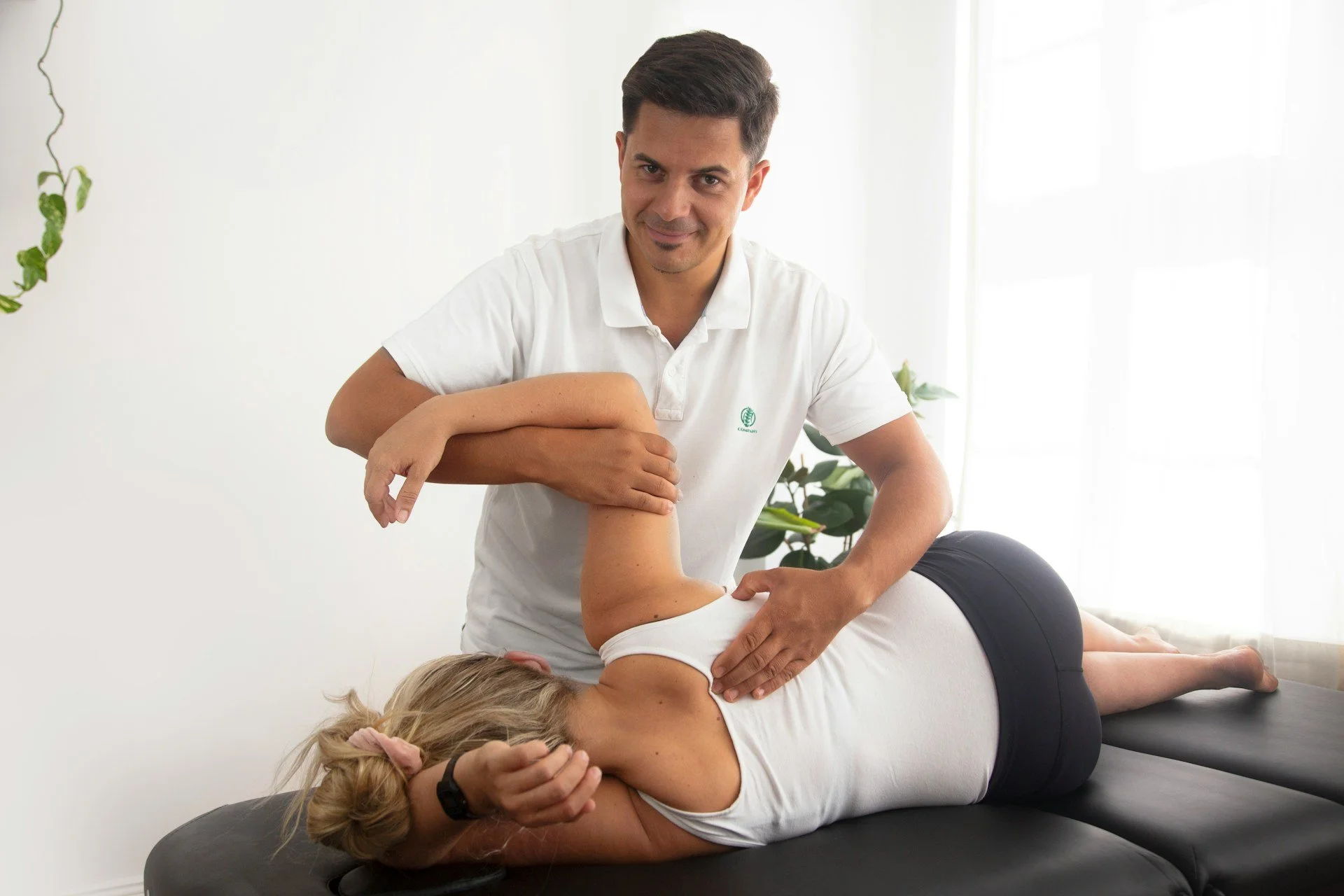
When to Get Fast Chiropractic Support for Sudden Back Pain
Sudden back pain can stop you in your tracks. One moment you’re fine, and the next, you’re bracing just to get out of a chair. It's easy to wonder whether it’s something small or if you should be doing more about it. Not every back issue needs immediate attention, but when that pain is sharp, persistent, or makes it hard to move freely, it’s time to pause and listen. One option people often consider is arranging a prompt chiropractic assessment, but knowing when that makes sense can be confusing. In the sections below, we’ll talk through the signals to watch for, when to seek urgent medical care, and how to stay steady until you can get things checked.
What Counts as Sudden Back Pain
Sudden back pain isn’t always caused by a big event. In many cases, it builds quietly over time and kicks in with a small twist or stretch.
You might feel it after leaning over the pram, reaching for something under the bed, or turning during a walk.
It could come from sitting too long in the wrong kind of chair or lifting something that didn’t seem heavy at the time.
Sometimes, it follows a day of activity that your body didn’t adjust well to, making the next morning stiff and sore.
There’s a difference between everyday tightness and pain that signals something more. When muscles feel tight but stretch out with light movement, you're likely dealing with temporary tension. But when sharp pain starts suddenly and doesn’t ease up with rest or gentle stretching, it could be a sign there’s more going on beneath the surface. Listening to how the pain behaves, whether it fades, shifts, or holds steady, is often the body giving clues about what kind of support it needs.
Situations That May Warrant Quick Support
Some situations make it clearer that waiting isn’t the best option. These are moments where the body’s reaction is too strong or too unusual to ignore.
If pain comes right after slipping, tripping, or crashing into something, it might be tied to how your body took the impact.
Straining your back reaching into a car boot or lifting something off the floor could cause pain that sticks and radiates.
If the pain travels into your legs, causes tingling, or makes walking difficult, the body might be trying to offload pressure in the spine.
Another red flag is pain that gets worse when lying flat or doesn’t let you find a comfortable position, even at rest. These patterns can make sleep hard, which then starts to affect everything else: mood, work, and energy levels. When your routine breaks down because of pain, that’s a strong sign it deserves more attention.
There are also times when sudden back pain should be treated as a medical emergency, and you should seek urgent care at a hospital or via ambulance rather than waiting to see a chiropractor or GP. This includes back pain with loss of bladder or bowel control, significant weakness or numbness in the legs, fever or feeling very unwell, unexplained weight loss, or pain after major trauma such as a car accident. If you notice these signs, medical assessment comes first, with other care options considered once serious causes have been ruled out.
What a Prompt Chiropractic Assessment Can Cover
Reaching out for a same-day or priority chiropractic appointment isn’t just about getting quick relief. It’s often about figuring out why the pain showed up in the first place and how your spine and nervous system are coping.
Sudden pain could be the result of a spine or joint being irritated or not moving well, putting pressure in the wrong areas.
Small shifts in posture after travel, long hours at a desk, or disrupted sleep can throw off the balance in the spine, neck, or pelvis.
Even long-term habits, like sitting with legs crossed or slouching while scrolling, might build up until the body finally reacts.
Support in moments like this can help explore what’s changed and how your body is responding. Waiting too long with certain types of pain can cause nearby muscles to overwork in order to protect the area, which sometimes adds extra tension or causes discomfort to spread. If you’re unsure, paying attention to how your symptoms change over a day or two can help guide what care might be useful and whether to first see your GP, visit a physio, or book a chiropractic assessment.
At Align Chiropractic in South Melbourne, Dr. Martin Harvey and Dr. Kieran Whelan offer a comprehensive assessment to determine the underlying cause of sudden back pain. Our approach includes careful checks for nerve involvement and joint function, and we work collaboratively with GPs, physios, and other health professionals so you have a clearer understanding of your options when discomfort appears quickly.
Tips to Stay Comfortable Until You See Someone
While you’re waiting to speak with someone about the pain, small changes at home can make a big difference.
Find positions where your back feels supported, usually with knees bent and feet on the floor or elevated slightly.
Try switching between sitting, standing, and lying down every 30 to 60 minutes if there’s no clear pattern that helps.
A warm wheat bag or a cool pack may help take the edge off pain, but stop using heat or ice if it makes things feel worse.
Gentle walking, no long distances or hills, can help keep things from locking up, as long as the movement doesn’t make you brace or limp. One thing we often remind people is that full bed rest can make the body feel stiffer. Even light movement from one room to another lets the body stay switched on without being pushed.
Back On Track Without Ignoring the Signs
The body rarely sends loud signals without a build-up. Often, that sharp twinge or sudden catch has been coming for a while, sparked by strain, imbalance, or small physical habits that go unnoticed.
Reading the signs early is one of the most helpful things you can do. Questions like "When did this first start?" or "What movements seem to trigger it now?" can guide what happens next. You don’t always need to rush into action, but delaying can let tension grow and spread in ways that make it harder to settle. Stopping to notice what’s been off: posture, sleep, shoes, or long days of sitting, often gives clues long before the body is yelling for help. Staying present to those signs, even when life is moving fast, is how many people work toward fewer flare-ups and more steady movement.
Sudden back pain making movement difficult or impacting daily life can be a sign it’s time for a closer look. Delaying care might increase strain, especially if discomfort spreads or disturbs your sleep. At Align Chiropractic, we support you in understanding what your body is telling you so you can make informed decisions about your wellbeing. Your first step might be speaking with your GP or another trusted health professional, or deciding to have your spine and nervous system function assessed. Chiropractic care is not a replacement for emergency medical treatment, but when serious causes have been ruled out, a prompt chiropractic assessment may help you better understand and manage acute back pain. Reach out to arrange an appointment at a time that suits you.

Understanding Migraine Patterns During Holiday Stress
It’s meant to feel like a breather, but the festive season and the new year can come with its own kind of pressure. While holidays bring time off, family gatherings, and a break from routine, they also tend to stir up more noise, more rushing around, and less time to rest properly. For those of us who experience migraines, this mix of physical and emotional stress might make symptoms show up more often than usual. We hear it each December: more tension, more changes in sleep, and more people wondering why headaches seem to flare up just when they want to feel their best.
When things start to feel tight in the neck, shoulders, or jaw, it’s often the body telling us something isn’t sitting right. That’s where a migraine chiropractor comes into the picture, not to take over your holiday health, but to help take a clearer look at how your body is coping with the season.
How Stress Affects Migraine Patterns
Stress hits more than just our mood. It tends to shift how we hold ourselves, how deeply we breathe, and how much our muscles stay switched on. In busy or emotional times, we often carry feelings in the body without even noticing. It might show up as a clenched jaw in the car, tight shoulders at the dinner table, or a stiff neck after a day of errands.
End-of-year stress can build in small, ongoing ways:
• Work pressure trying to wrap things up before the break
• Family events that are joyful but emotionally draining
• Being pulled in different directions with travel or planning
All of these can lead the body to feel tight and overloaded, which may stir up more frequent migraines. It’s not usually the stress alone but how the body responds. Muscle strain near the base of the skull or tension in the temple area can quietly increase over days. When the body holds this tension for too long without support, it becomes harder for it to relax, even when the holiday is meant to be a break.
The Physical Load of the Holiday Season
It’s easy to overlook how physical this time of year can be. Extra chores, longer drives, crowded shops, and sleep in unfamiliar beds can take a larger toll than expected. It's not just what we do, but how we move through it.
• Wrapping gifts can mean hunching over for long periods
• Lifting shopping bags or luggage can strain the lower back and neck
• Decorating may lead to overreaching or awkward twisting
• Falling asleep on the couch or in a spare bed can misalign the neck
Even small changes in habit can be enough to shift posture out of balance. A body that’s not moving the way it usually does might respond with tension-related headaches or more scattered pain. That unpredictability can be frustrating, especially when you’re just trying to enjoy the holidays.
Over the holidays, familiar routines may be replaced by new ones. Maybe you’re waking up later, carrying more, or sitting for longer meals than at other times of the year. There’s also a tendency to let posture slide while chatting with relatives or sitting on unfamiliar furniture, like folding chairs or squishy sofas at a family gathering. These little shifts can add up and put pressure on the body, especially in parts that are already sensitive from past tension.
Combined with travel, these factors become even more relevant. Whether it's a short drive or a long flight, sitting for stretches without good support often leaves your head, neck, and shoulders feeling tighter than usual. Even the way you pack a suitcase or lift out presents from the boot can spark a chain reaction that feeds back into headache patterns.
Common Areas of Discomfort Linked to Headaches
We often notice the same patterns from one end of the year to the next. When migraines get worse in December, it tends to involve a few key parts of the body.
• The upper neck, particularly near the base of the skull, can build pressure when posture slips or travel adds strain
• The jaw might feel tight from clenching during stressful conversations or busy days
• The area behind the eyes or temples may throb when tension grows slowly from stiff shoulders or awkward sleep positions
These areas are all connected more than we usually realise. When one starts to tighten, it can quickly affect the others. A migraine chiropractor looks at how these parts work together and what patterns might be forming as the season changes.
The way discomfort spreads can vary from person to person. For some, it starts at the base of the skull and radiates forward. For others, headaches might first be felt behind the eyes, especially after a day spent in bright shops or bustling environments. Muscle tension in the neck and shoulders may not be obvious at first, gradually building and then lingering as the days go by. Recognising where you feel this tightness can help you understand how the body handles strain at this time of year.
Taking Notice of Patterns Before They Build
Pain doesn’t usually arrive all at once. It comes in small signs that are easy to miss until they get louder. Paying attention to when headaches tend to appear might offer a few clues.
• After long car rides or flights, when neck posture hasn’t felt supported
• After busy social events, when crowd noise and lighting add to sensory load
• After nights of scattered or low-quality sleep
If you’ve noticed these issues in past holiday seasons, they may be showing up again for a reason. It helps to track what seems to lead into migraine symptoms rather than waiting until they fully kick in. Catching patterns early could make a big difference in how your body feels the rest of the month.
Sometimes, triggers overlap, making it hard to spot what's doing the most harm. It could be the combination of loud gatherings, rich foods, and too little downtime. Other times, it’s simply the change in sleep or the break in routine that tips things over the edge. Noting what activities or events seem to tie in with those first warning signs can make it easier to manage symptoms as the holidays go on.
A Calmer Season Starts With Listening In
When we tell ourselves headaches are just part of the holidays, we sometimes miss the body’s early warnings. There’s more going on than stress alone. The way we carry tension, shift posture, or respond to daily changes all plays a part in how migraines show up.
If your neck feels tight, your jaw sore, or your upper back heavier than usual, it’s probably time to check in. Noticing these changes and giving them space for attention can help the season feel smoother. When we stay in tune with what our body is telling us, we’re better equipped to enjoy what the holidays are meant to be.
At Align Chiropractic in South Melbourne, Dr. Martin Harvey and Dr. Kieran Whelan have expertise in treating headaches and migraines by assessing not just symptoms but also movement patterns, posture, and sources of tension in the spine and jaw. As the holiday season brings new stresses and you’re noticing changes in your migraine patterns, it’s worth exploring how neck and jaw tension might be impacting your wellbeing. At Align Chiropractic, we take a personalised approach, checking in with what your body experiences throughout these busy months. We offer support and insights for those seeking help from a migraine chiropractor. Reach out to discuss what you’ve been experiencing and how we can help.

How a Chiropractor Can Support Recovery Over Summer
Summer in Melbourne brings longer days and (hopefully) warmer weather, and for many of us, that means more time outdoors.
Whether it’s casual jogs along the bay, walking or playing with the kids at the park, or simply getting back into a more active rhythm, this time of year tends to invite movement. But going from a slower pace to full-swing activity can sometimes bring a few aches along with it.
Even lightweight efforts like gardening or long walks can wake up old stiffness or leave us feeling tighter than expected. That’s where checking in with our chiropractors can help ease the transition. Paying attention to how the body’s handling the change in season matters, especially if those little twinges start showing up more often than we'd like.
Getting Back Into Activity After a Break
When we move less through winter and spring, it’s normal for the body to feel a bit sluggish come summer. Muscles haven’t had the same use, and joints might be a little less fluid. Even the most familiar activities can hit differently if we haven’t done them in a while.
We often notice the same patterns come up during this seasonal shift:
• Tight hips or hamstrings after returning to running or cycling
• Lower back stiffness from unexpected lifting or uneven surfaces
• Shoulder or neck tension after jumping back into tennis, golf, or gym workouts
It’s not just about soreness. When movement isn’t smooth, it can affect how you walk, sit, or recover at night.
A gentle review of posture and movement habits can offer insight into what’s going on under the surface. Sometimes those little misalignments or hidden strains stick around until we give them attention.
Supporting Common Areas of Discomfort
Whether you're heading out for a round of golf, dealing with post-gym tightness, or feeling the effects of sitting differently during an outdoor event, it’s often the same key areas that show wear and tear. The lower back, neck, and jaw tend to carry hidden tension, especially when we return to more regular activity.
That tension doesn’t always arrive suddenly. It might start as a dull ache or a tight spot that only shows up some days. Over time, these small imbalances can build. From repetitive swings to holding a child on one hip, the body absorbs impacts and postures in a way that often goes unnoticed, until it doesn’t.
By checking how each of these areas is responding to new or returning activity, we can better support movement and ease the kind of strain that might otherwise stick around into autumn.
How Movement Changes Through the Warmer Months
Summer brings a whole different rhythm. Swim laps in the morning, bike rides after dinner, spontaneous barefoot walks on grass, our habits change, and the body notices. Even those who keep a regular routine often tweak how or where they move during these months.
It’s common for subtle shifts in routine to have a bigger physical effect than we expect:
• Thinner-soled shoes or sandals offer less support
• Walking on sand or uneven lawns can change stride length
• Heat fatigue can influence posture during the day or how we sleep at night
Our chiropractors can help look at how joints and muscles are adjusting to these seasonal shifts. Movement might need small tweaks to feel smoother, and tuning in early can help keep activity comfortable all summer long.
At Align Chiropractic in South Melbourne, Dr. Martin Harvey and Dr. Kieran Whelan see a wide range of patients returning to sport and activity through the warmer months. We focus on checking and improving movement patterns so that tension in the back, neck, or jaw does not become a barrier to enjoying your summer activities.
Recovery Isn’t Just for Athletes
We sometimes think that recovery applies only to those in training or sport, but that’s not really the case. Summer encourages more movement for just about everyone, whether it’s playing with your kids, doing laps in the local pool, or walking more while on holidays.
Even everyday routines can start to feel off when they’ve changed dramatically:
• Lifting grocery bags differently after skipping the car park
• Trying outdoor yoga for the first time
• Sleeping in new positions due to the heat
You don’t need to be in sport to experience soreness or fatigue. When something doesn’t feel quite right, it’s okay to take note. Catching those small signs early can help you stay active without discomfort growing over time.
A Steadier Summer Starts with Comfortable Movement
Movement should feel easy, especially at a time of year when so many of us are enjoying more freedom in our schedules. Whether it’s squeezing in walks between commitments or playing backyard cricket with family, it helps when the body works with you instead of against you.
Checking in after a change in routine can be a smart way to stay ahead of any lingering tightness.
• An achy neck after road trips
• Shoulder strain from carrying things across festivals
• Back fatigue from longer afternoons out and about
We often see these patterns return each summer. By recognising them early, it’s easier to stay active, enjoy your time, and avoid letting small discomforts grow into something that limits movement later. Summer should feel light, not loaded down, and being in tune with your body makes all the difference.
At Align Chiropractic, we believe that summer is a great opportunity to tune in to what your body is telling you, especially if you notice new tension or discomfort in your back, neck, or jaw. Changes in activity can have lasting effects, so a quick assessment with a sports chiropractor can offer clarity on how you’re coping with the season. At Align Chiropractic, we focus on understanding where tension builds and what steps can help you feel your best. Reach out to book your appointment.

Is Your Child’s Backpack Causing Back Tension?
As the school year starts back up across Melbourne and the summer holidays come to a close, many families start preparing for the term ahead. School bags often go unnoticed in the holiday checklist, but how your child wears or packs their backpack can affect more than just what fits inside. Over time, that daily load can lead to small posture changes or tension in the back, neck, or shoulders.
These habits can build unnoticed, especially when kids are growing fast or carrying heavier items between school, sport, or sleepovers. Align’s chiropractors can assess how your child’s spine is handling day-to-day pressure.
There are also signs you can look for at home and simple changes that may help kids feel more comfortable heading into the new year.
Why Backpack Weight Matters for Kids
Most school kids carry a backpack five days a week, often loaded with books, lunch, tech, and sports gear. For a growing body, that consistent strain can take a toll. Children’s muscles and joints are still developing, so they’re more sensitive to repeated pressure and awkward posture.
• Carrying a bag that’s too heavy or lopsided can pull on the shoulders or tilt the pelvis
• If the load shifts around between classes or weeks, it can cause uneven muscle tension to build
• Kids often don’t mention pain early on, but their bodies adapt silently by leaning or walking differently
A few kilos might not sound like much, but when that weight sits in the wrong place every day, the spine notices. The lower back, neck, and shoulders often do the brunt of the work, especially if the straps aren’t adjusted well or if the bag shifts as they walk.
Common Signs Your Child May Be Feeling Tension
Children don’t always explain what’s bothering them, so small physical or behaviour changes can be even more telling. Many parents start to notice signs after school, during homework time, or getting ready in the morning.
• Their backpack stays on the floor more often than not, or they carry it on one shoulder instead of both straps on
• You might spot them rubbing their lower back, shoulders, or neck without saying anything
• Slouching while sitting, leaning to one side, or walking with slightly uneven posture
It’s not just physical. Fatigue, restlessness, or crankiness after school can sometimes relate to physical tension that’s gone unspoken. When the body’s working harder to carry strain all day, it can wear kids out in quiet ways.
How Backpack Fit and Packing Style Can Affect the Spine
How a backpack fits makes a big difference in how the load feels. Small changes in strap length, size, or what’s inside can shift how pressure flows through the spine. That’s why it helps to check how the bag sits, especially after growth spurts.
• The bag should rest snugly against the middle of the back, not sag below or bump on the hips
• Both straps should be worn, evenly tightened to keep the weight centred
• Packing heavier items closer to the body helps reduce pull on the shoulders
Bags that are too big or worn loosely lead to more shear through the spine as the load shifts while kids move. Carrying a single-strap bag or slinging the pack on one shoulder can create uneven muscle use over time, especially in the neck and mid-back. These habits may seem small in the moment but can pattern the body in ways that become uncomfortable down the road.
When to Consider a Check-In with a Chiropropractor for Pediatric Care
If you’ve noticed posture changes, new aches, or a sudden change in how your child carries their bag, it might be time for a second look. Some families check in during start-of-term transitions, periods of quick growth, or after noticing new slumping or tension.
A pediatric visit to the chiropractor looks at things like movement patterns, joint motion, and how the body is compensating. It’s not just about fixing pain but about noticing the early shifts that can sometimes lead to discomfort if left unchecked.
• Gentle guidance around posture and movement can help kids reset early habits
• Visits often involve watching how children move, stand and bend, as well as their posture overall.
• Care is light-touch and adjusted to what each child’s body feels ready for
At Align Chiropractic in South Melbourne, care is delivered by experienced chiropractors Dr. Martin Harvey and Dr. Kieran Whelan, who are familiar with working with children of all ages. The practice offers gentle, individualised approaches designed to help growing bodies move more comfortably, from young students to teenagers with increased physical demands.
Spine checks aren’t about being strict or corrective. They’re more like tune-ups, checking how the body responds to daily stress and making room for smoother, more comfortable movement.
Supporting Healthy Habits Over the Summer Break
The December break is a natural time to reset and notice details that might be harder to catch during busy school terms. The bags may be out of sight, but this is a good chance to see how your child moves without school gear weighing them down.
Summer is also full of new types of movement, from beach days and bike rides to relaxed days at home. It’s a calm window to notice posture, chat about how things feel, and gently guide better backpack habits before the next term sneaks up.
• Letting kids wear smaller bags for light day trips can help mix up loading patterns
• Watching how they carry gear on holidays can offer clues to ongoing habits
• Speaking casually about what feels good or tiring helps them learn to tune into their own comfort
No big overhauls are needed, just a chance to reset and notice how they’re carrying themselves during everyday play.
Building Confidence for the New Year
The start of the new school year is a good moment to check in on things like posture, energy, and how your child feels after carrying their school bag. Backpacks can seem simple, but they influence more than we often realise, from how a child walks to where their muscles hold tension by the end of each day.
Now that summer is settling into Melbourne, we’ve got the space to look closer at those habits. Checking how a bag fits, asking a few questions, or observing body movement can help your child feel more steady and confident when the school term starts again. Small changes now can make a difference later.
Noticing small changes in your child’s posture or signs of tension can be concerning, and sometimes it takes a professional to uncover what’s really going on. A visit with a pediatric focused chiropractor can provide valuable insight into how your child’s spine is adapting to everyday activities. At Align Chiropractic, we offer a gentle, movement-focused approach adapted to kids’ unique needs as they grow. Whether you have concerns or just want reassurance about your child’s posture, we’re here to support you and your family. Give us a call to book an appointment today.

What to Know Before Seeing a Prenatal Chiropractor in Melbourne
Pregnancy often changes how people move, rest, and carry themselves day to day. That can mean new kinds of tension in the lower back, hips, neck, or shoulders.
For those looking for gentle support through these changes, many expectant parents in bayside and South Melbourne consider in a visit to a chiropractor with a special interest in prenatal care.
A lot of mothers find that especially during the second and third trimesters, when the baby is growing fast and the body is adapting just as quickly, even small discomforts can start to add up.
It’s important that you know what to expect before walking through the door for your first visit.
Whether you’re feeling tight through the lower back or just want to check how your body is holding up as it shifts, it can help to hear how this kind of care fits into pregnancy.
Understanding Chiropractic Care During Pregnancy
Pregnancy care isn’t the same as general chiropractic.
The body’s doing a lot of work, and the approach needs to be gentle, informed, and adapted.
Someone further along in their pregnancy may lie on the table differently, and certain movements or adjustments might need to be skipped or done another way.
We often hear people mention the same kind of pressure points:
Lower back tightness, especially after long walks or sitting for too long
Pelvic strain, sometimes on one side more than the other
Subtle shifts in posture that seem to affect the neck, shoulders, or even jaw,
Tension type headaches, or ones that feel like they are coming from your neck (cervicogenic headaches).
Postural changes often begin to cause issues as your body changes.
A growing belly changes balance and can tip the pelvis forward. This may shift weight through the spine and cause extra work for the muscles keeping everything upright. That’s why care with gentle, specific, chiropractic techniques are often used during pregnancy.
The goal is always to support how the body is moving and functioning, not to push it past where it’s comfortable going.
What You Might Notice In Your Body as Things Shift
As pregnancy moves through different stages, the spine and joints tend to do a lot behind the scenes. Movement changes, sleeping positions adjust, and day-to-day tasks like walking up stairs or bending to put on shoes can feel different from one week to the next.
Some physical patterns we often hear about include:
• Neck tightness or pressure that’s new or more persistent
• Achy or sore lower backs, especially by the end of the day
• A change in walking or standing that leads to stiffness in the hips
The nervous system ties into this too, as it helps control how joints and muscles work together. When posture starts to tilt or shift, that can affect how things move in the spine and pelvis, which in turn may show up as soreness or tension across other parts of the body.
These small changes are all part of adapting, but when they build over time, they might need a bit more help to settle down.
You may also become more aware of how simple activities impact how you feel. Tasks like standing up from a chair, taking a long walk, or sleeping in a new position might feel a little different than usual.
Some people describe a general sense of tiredness in the muscles. Others might feel that their balance is a bit off, especially as their centre of gravity shifts.
All these little adjustments are normal parts of pregnancy, but it is okay to be surprised by how quickly they come and it’s normal to seek help to manage them!
What to know Before Booking Your Appointment
Before booking a visit, it’s important to know that Align, our chiropractors are experienced at seeing people from preconception, through all trimesters and even in providing post partum care.
Like you and your pregnancy, our approach is unique to you, tailored to each individual different depending on how far along in your pregnancy you are as well as your own comfort and preferences for care.
You are always in the driver’s seat..
Why Align Can Make a Difference
It’s the same every year!
Being in Melbourne during December brings its own mix of habits and routines. The weather starts getting warmer, holidays are being planned, and rest habits often shift. These little seasonal changes often lead to new posture patterns, sitting in folding chairs at parties, spending longer in the car on warm afternoons, or toggling between fans and air-conditioning during the night.
All that can affect how the body feels day to day. For those carrying extra weight from pregnancy, these shifts may feel even more noticeable!
For this reason, our care takes into into account what’s actually happening around you, so we offer a range of availability for appointments from morning into the evenings 6 days a week.
We are here to fit care around you, not the other way around!
Align Chiropractic uses gentle and personalised techniques, taking into account each patient's stage of pregnancy and unique health history. As noted on our "What to Expect" page, we offer modifications for pregnancy, and every assessment is tailored to the individual. Our experienced chiropractors in South Melbourne provide support for common pregnancy-related concerns like back, hip, and pelvic discomfort.
A Smoother Path Into the Season Ahead
Pregnancy brings all sorts of change, and sometimes it’s the small, steady things that help most. Visiting a prenatal chiropractor may offer that kind of support, quiet, ongoing check-ins with how the body is moving and feeling as it adapts.
We understand pregnancy brings unexpected changes, and having the right support can make a real difference. To help you feel prepared, we've outlined what to expect during a visit with a prenatal chiropractor and how your body may adapt, taking into account common movement patterns and what’s happening in your world at the time of your visit.
At Align Chiropractic, we're ready to answer your questions or help you book an appointment whenever you're ready.

How Posture Correction Can Help with Jaw Pressure Build-Up
Jaw tension can sneak up when life picks up pace. Whether it's long hours at the desk, late nights, or just keeping up with the rush as we enter the festive season, many people start to feel that pressure building along the sides of the face or under the ears. This tightness might feel like a dull ache, a clicking sensation, or pressure that doesn’t ease even after rest.
Often, when the focus is on the jaw, posture gets overlooked. But how we hold our body, especially through the head, neck, and shoulders, can play a big part in how the jaw feels throughout the day. Poor habits like slouching or craning the neck forward may change the way our muscles and joints are working across this whole area. Over time, that can add up to extra stress through the jaw.
Support from a posture correction chiropractor can help in looking at how alignment and daily patterns are affecting comfort levels. During stressful patches or seasons where we’re more sedentary, paying attention to posture may offer more relief than we expect.
How Posture Connects to Jaw Pressure
The link between posture and jaw tension often starts in the upper spine. When the head shifts forward, something that often happens when we’re using phones or typing on a laptop, it puts more load on the neck. That extra load needs to be carried somewhere, and it often travels through the shoulders and jaw area.
When muscles work overtime to keep us upright in a hunched position, they can become tight or fatigued. If that tension builds near the back of the jaw or around where the neck meets the skull, it may create uncomfortable pressure that lingers.
We hear signs like:
• Pressing or clenching the jaw without realising it
• Fatigue while chewing or talking for long periods
• Uneven tension between one side of the jaw and the other
When the neck and shoulders are already tight, movements like talking or eating can feel more strained than usual. The jaw, being closely connected to those areas, often ends up doing more work than it should.
Small Postural Habits That Can Build Pressure Over Time
Daily patterns shape how we carry our body. And often, the most common habits are the ones we don’t think twice about. Checking messages with the head tilted down, holding tablets close to the chest, or leaning into a screen during long meetings can all shift the spine out of its usual alignment.
These habits, repeated day after day, may slowly lead to issues like:
• Persistent forward head posture from screen time
• Long stretches in seated positions, especially without neck support
• Looking down frequently, which can tighten muscles around the jaw and neck
As we move through late spring and begin spending more time seated near fans or in cooler indoor spaces, it’s easy to remain inactive for longer. That often means more time looking at screens, reading on the lounge, or staying in one spot while working, especially during warmer afternoons. Without noticing, posture shifts to make these tasks more comfortable in the short term but less helpful in the long term.
What to Expect When Seeing a Chiropractor for Posture Support
When someone comes in with jaw pressure and neck tension, we often begin by learning more about how they hold their body during everyday tasks. The way the spine, shoulders, and head move as a unit can give helpful clues about what might be contributing to discomfort further up near the jaw.
Seeing a posture correction chiropractor is not about a quick fix. Instead, it’s about taking a closer look at how postural habits may relate to strain across the upper body.
During visits, people might experience:
• An assessment of spinal alignment and joint movement
• Gentle techniques to support better function through the neck, shoulders, and upper back
• Advice on movement habits or sitting patterns that could be adding extra tension
Rather than focus just on the jaw, this approach steps back and asks where the pressure might be starting. Often, improving movement in the upper spine helps ease tension in places that seem unrelated at first.
At Align Chiropractic in South Melbourne, experienced chiropractors Dr. Martin Harvey and Dr. Kieran Whelan offer support tailored to address underlying posture habits that may contribute to jaw, neck, and shoulder tension. Our thorough assessments are designed to uncover how lifestyle and spinal alignment may be influencing ongoing discomfort.
Supporting Better Posture During Warmer Months
As the weather turns warmer, routines tend to shift again. People might find themselves in the car more for weekend trips or working from varied locations like garden tables or outdoors under shade. These small changes in setup can affect posture in ways we might not expect.
There are a few simple things we often notice that make a difference:
• Bringing screens to eye level during work or rest can prevent forward tilting of the neck
• Taking breaks during long hours seated in cars or at a desk can reduce stiffness across the shoulders and upper spine
• Choosing seating with back support during outdoor events or holidays helps avoid slouching
This time of year also means reconnecting with social plans, more movement, and sometimes a shift in sleep patterns. All of these can nudge our posture slightly off-centre. When little adjustments at home don’t seem to ease the discomfort, having help looking at the bigger picture can be useful.
Easing Jaw Pressure Through Better Habits
It’s often surprising how connected everything feels when we take a step back. Jaw pressure rarely starts only at the jaw. The way we sit, move, and carry ourselves each day gently shapes how muscles and joints behave over time.
When we support better posture through our daily routines, we sometimes find that other areas, like the jaw, begin to ease without effort. Looking after spine alignment and movement patterns may give the body more room to relax, especially through the head, neck, and face.
Paying attention to posture isn't about being perfect. It’s about noticing which movements help us feel more comfortable and which ones might be adding tension. As we move through the warmer months, adjusting how we sit, move, and hold our head may be one way to find some relief from the pressure we didn’t realise we were holding on to.
At Align Chiropractic, we know how much your posture habits can affect the comfort of your jaw, neck, and shoulders each day. When ongoing tension or discomfort is getting in the way and at-home adjustments aren’t making enough difference, it could be time to look deeper into the underlying cause. Working with a posture correction chiropractor can help you understand what your body is signalling and support you in moving with greater ease. Let’s talk about your needs and discover what could help you feel your best.

Chiropractic Adjustment or Rest: What's Better for Sciatica?
Sciatica can stop you in your tracks. That sharp, shooting pain that moves from the lower back down through the hips and legs can make the simplest movements feel hard.
When you're in the middle of a flare-up, it's common to wonder what will help most.
Is rest enough, or would something like a chiropractic adjustment give your body the support it needs?
With warmer months ahead across much of Australia, many people become more active, making it a good time to talk about how rest, movement, and spinal care each play a role when sciatica shows up.
Understanding Sciatica and Why It Hurts
Sciatica refers to irritation of the sciatic nerve, the thickest nerve in the body. It starts in the lower back, travels through the hips and buttocks, and runs down each leg. When this nerve gets pinched or inflamed, pain can appear suddenly or build up over time.
• People often describe sciatica as a sharp, burning, or tingling feeling, usually on one side of the body
• Long hours sitting, suddenly bending, lifting awkwardly, or staying inactive too long can all put added pressure on the lower spine
• Sometimes, the nerve gets compressed by spinal joints or tight muscles deep in the pelvis
Pain isn’t always constant. For some, it comes and goes based on how they sit or move. Others may feel it most when standing up or sleeping. Understanding what actions might trigger it is often the first step toward feeling better.
Does Rest Help or Make Things Worse?
When sciatica hits hard, it's normal to want to lie still. In the early stages of pain, short periods of rest can give the body a breather. Especially during those first hours or days of sharper discomfort, being gentle with movement may help reduce stress.
• Resting in a supportive position, like lying on your back with pillows under your knees, may feel more comfortable
• Avoid curling up or sinking too far into a lounge, which can push your pelvis into a shape that strains the lower back
• Short breaks throughout the day are often better than staying in one place for hours at a time
Having said this, too much time lying down can work against you. Muscles tighten when held too long in one position, blood flow slows, and joints can stiffen.
The key for many people is to balance short, helpful rest with small movements that keep the body from tightening up more.
How Movement Supports Healing
Even small movements can play a helpful role when you're working through sciatica. Unless the pain is too sharp to walk, gentle activity tends to help the body recover more steadily than lying still all day.
• Short walks, even around the house, can support nerve and blood flow
• Light stretching or gentle core support movements (done in line with what feels comfortable) may take pressure off the lower spine
• Keeping good posture when sitting or standing helps reduce extra strain on the irritated nerve
Moving more doesn't mean pushing through pain. It means listening to what your body will allow and avoiding heavy or jerky motions.
Can Chiropractic help sciatic pain?
When pain feels stuck, or movement doesn’t change much, it's natural to want another path.
A chiropractic adjustment is a hands-on way to improve how joints in the spine move. It involves gentle and specific movements applied to joints that may be restricted or not moving well, especially in the lower back or pelvis.
• By improving spinal motion, a chiropractic adjustment may help take pressure off areas irritating the sciatic nerve
• Smoother joint movement can lead to better muscle balance, which often helps the body move more freely
• For some, this type of care feels helpful when their regular habits haven’t made much difference
At Align Chiropractic, Dr. Martin Harvey and Dr. Kieran Whelan use our extensive experience to focus on relieving pressure in the spine, pelvis, and related muscles.
The care we provide is specific and individualised, with thorough assessments to identify the underlying factors contributing to pain. This patient-centred approach is designed to help people in South Melbourne and surrounding areas move more freely and recover from sciatica flare-ups with confidence.
It's not about cracking or forcing the spine. It's about looking at how things are moving and helping the body work in a more balanced way. Anything that reduces the everyday pressure on the lower nerves may shift how sciatica feels.
Finding Your Best Path Forward
Every body is different. What helps one person’s sciatica feel better might not be the same for someone else, which is why it makes sense to pay close attention. Being too still or too active can both stir things up. Figuring out that middle ground takes time, and some trial and error.
• Gentle movement, well-timed rest, and support from trusted health providers each play a part
• Summer usually means more plans, more travel, and more time outside, which many find puts new stresses on the spine
• Catching early signs of back or leg discomfort can help avoid longer flare-ups
When sciatica strikes, the goal isn’t just to get through the pain but to understand what your body needs to move and feel better long-term. Watching those patterns and adjusting your habits often makes a bigger difference than doing just one thing.
At Align Chiropractic, we understand how disruptive sciatica can be, especially during busy times of the year. Not sure whether movement, rest, or extra support is right for you? Discover how a well-timed chiropractic adjustment can support your spine and help relieve tension in your lower back and pelvis. We’re here to help you find what works for you. For guidance tailored to your needs, contact us to book a visit.
What Makes Neck Pain Feel Worse in Late Spring
Introduction
As the days grow warmer and Melbourne shifts into late spring, many of us start to feel the stirrings of summer. Longer daylight hours, changing routines, and bursts of outdoor activity can be uplifting after the winter stretch. But for some, this shift also brings a familiar ache in the neck and shoulders that seems to come out of nowhere.
We often hear clients mention that their neck pain feels sharper or more persistent this time of year. These are not isolated complaints. A chiropractor for neck pain will often notice seasonal patterns in discomfort. The way our environment changes in late spring can have more of an impact on our muscles and posture than we realise. Small shifts in daily habits can sneak up on your body and may lead to increased strain in your neck.
How Seasonal Changes Can Affect Your Neck
Late spring doesn’t just bring warmer air, it invites us outdoors and often asks more from our bodies. As we transition away from cooler, slower months, some muscle reactions can take us by surprise.
• Sudden changes in temperature, especially in the mornings and evenings, can cause neck muscles to tighten or stiffen
• Extra outdoor activity, such as weekend sports or walks, can involve new or repetitive movements in the upper back and neck
• Air conditioning becomes more common, especially indoors and in cars. Cold air blowing directly across the shoulders and neck can lead to tension building up without us noticing
Even something as simple as shifting from layering up in winter clothing to lighter garments can affect how our neck and shoulders respond throughout the day. The body adapts quickly in some ways and slowly in others. If our lifestyle speeds up but our spine or muscles haven’t caught up, it’s easy to understand why pain gets worse, rather than better.
Springtime Posture Triggers in Everyday Life
As late spring rolls in, our habits and surroundings change, sometimes in unexpected ways. And these changes can directly influence how we carry ourselves.
• Many of us move our home workspace to lighter spots like verandas, patios, or cafés. These more casual setups often lack proper support, which can put the neck in awkward positions
• Gardening becomes a common springtime activity. Weeding, planting, and digging often involve hunching forward, twisting, or looking down for long periods
• With sports restarting or events becoming more frequent, we're often lifting bags, supplies, or children without thinking much about it. All of these actions can place extra load on the neck and upper back
Posture isn't just about standing up straight. It's about how everyday movements add up over time. If we're consistently craning, slouching, or rotating without balance, the body eventually lets us know.
Stress Patterns and Sleep Shifts Around Spring
It’s not just our physical movements that affect the neck. Our thinking, sleeping, and daily rhythms play big roles too. Spring can be uplifting, but it’s also busy.
• Social calendars often fill up. With more outings, tasks, or travel plans, stress levels can rise, and that tension usually lands right between the shoulders
• Allergies tend to flare in spring. Along with discomfort, congestion may change how we sleep or breathe, leading some people to clench their jaw or hold their neck stiff
• Longer days and earlier sunrises can change sleep timing. Less restful sleep means muscles don’t recover properly overnight, leaving the neck more prone to discomfort the next day
Stress doesn’t always look like worry or anxiety. Some people feel it as extra tightness in the top of the shoulders or an ache that shows up when trying to relax. These clues are often overlooked but can be very telling.
How a Chiropractor for Neck Pain May Offer Support
If spring shifts are bringing more than just flowers and sunshine, it might be time to check in with how your body’s adapting. We often see how these seasonal shifts show up in the spine and surrounding muscles.
• By looking at posture, movement habits, and muscle function, we can help figure out what's contributing to increased neck pain
• Chiropractic adjustments may offer relief by addressing tension, improving joint movement, and reducing any areas that feel extra tight or restricted
• The most important part of support is often planning ahead, especially if neck tension seems to come back each year around the same time
All care at Align Chiropractic is delivered by highly experienced practitioners, Dr. Martin Harvey and Dr. Kieran Whelan, have decades of expertise in addressing neck pain, headaches, and posture-related issues. We take a personalised approach, assessing both spinal alignment and how individual lifestyle factors in South Melbourne can influence recurring neck discomfort.
Rather than chasing symptoms, it may be helpful to understand patterns. Spring routines don’t have to be painful. Sometimes it's just about giving the body a chance to reset and move in healthier ways.
Late Spring, Lasting Relief
Late spring brings a lot of change, most of it welcome. But if you’ve been noticing your neck feeling more achy than usual, there could be a reason behind it. Whether it's small shifts in daily posture, disrupted sleep, or more time running around, the neck often picks up the slack.
Take this time of year as a reminder to check in on your daily posture and movement habits. If tension or discomfort persists, working with experienced chiropractors in South Melbourne could help you move comfortably through the season and beyond.
As spring brings changes in temperature, activity, and sleep, subtle tension in your neck and shoulders can build up before you even notice. We help people uncover these patterns and support ongoing wellbeing with gentle, personalised care. When you need a chiropractor for neck pain who understands the impact of seasonal shifts, Align Chiropractic is here to help you feel your best. Reach out today to book a time that works for you.

Why Neck Pain Can Hit Harder in Late Spring
As the days grow warmer and Melbourne shifts into late spring, many of us start to feel the stirrings of summer. Longer daylight hours, changing routines, and bursts of outdoor activity can be uplifting after the winter stretch. But for some, this shift also brings a familiar ache in the neck and shoulders that seems to come out of nowhere.
We often hear clients mention that their neck pain feels sharper or more persistent this time of year. These are not isolated complaints. A chiropractor for neck pain will often notice seasonal patterns in discomfort. The way our environment changes in late spring can have more of an impact on our muscles and posture than we realise. Small shifts in daily habits can sneak up on your body and may lead to increased strain in your neck.
How Seasonal Changes Can Affect Your Neck
Late spring doesn’t just bring warmer air, it invites us outdoors and often asks more from our bodies. As we transition away from cooler, slower months, some muscle reactions can take us by surprise.
• Sudden changes in temperature, especially in the mornings and evenings, can cause neck muscles to tighten or stiffen
• Extra outdoor activity, such as weekend sports or walks, can involve new or repetitive movements in the upper back and neck
• Air conditioning becomes more common, especially indoors and in cars. Cold air blowing directly across the shoulders and neck can lead to tension building up without us noticing
Even something as simple as shifting from layering up in winter clothing to lighter garments can affect how our neck and shoulders respond throughout the day. The body adapts quickly in some ways and slowly in others. If our lifestyle speeds up but our spine or muscles haven’t caught up, it’s easy to understand why pain gets worse, rather than better.
Springtime Posture Triggers in Everyday Life
As late spring rolls in, our habits and surroundings change, sometimes in unexpected ways. And these changes can directly influence how we carry ourselves.
• Many of us move our home workspace to lighter spots like verandas, patios, or cafés. These more casual setups often lack proper support, which can put the neck in awkward positions
• Gardening becomes a common springtime activity. Weeding, planting, and digging often involve hunching forward, twisting, or looking down for long periods
• With sports restarting or events becoming more frequent, we're often lifting bags, supplies, or children without thinking much about it. All of these actions can place extra load on the neck and upper back
Posture isn't just about standing up straight. It's about how everyday movements add up over time. If we're consistently craning, slouching, or rotating without balance, the body eventually lets us know.
Stress Patterns and Sleep Shifts Around Spring
It’s not just our physical movements that affect the neck. Our thinking, sleeping, and daily rhythms play big roles too. Spring can be uplifting, but it’s also busy.
• Social calendars often fill up. With more outings, tasks, or travel plans, stress levels can rise, and that tension usually lands right between the shoulders
• Allergies tend to flare in spring. Along with discomfort, congestion may change how we sleep or breathe, leading some people to clench their jaw or hold their neck stiff
• Longer days and earlier sunrises can change sleep timing. Less restful sleep means muscles don’t recover properly overnight, leaving the neck more prone to discomfort the next day
Stress doesn’t always look like worry or anxiety. Some people feel it as extra tightness in the top of the shoulders or an ache that shows up when trying to relax. These clues are often overlooked but can be very telling.
How a Chiropractor for Neck Pain May Offer Support
If spring shifts are bringing more than just flowers and sunshine, it might be time to check in with how your body’s adapting. We often see how these seasonal shifts show up in the spine and surrounding muscles.
• By looking at posture, movement habits, and muscle function, we can help figure out what's contributing to increased neck pain
• Chiropractic adjustments may offer relief by addressing tension, improving joint movement, and reducing any areas that feel extra tight or restricted
• The most important part of support is often planning ahead, especially if neck tension seems to come back each year around the same time
All care at Align Chiropractic is delivered by highly experienced practitioners, Dr. Martin Harvey and Dr. Kieran Whelan, have decades of expertise in addressing neck pain, headaches, and posture-related issues. We take a personalised approach, assessing both spinal alignment and how individual lifestyle factors in South Melbourne can influence recurring neck discomfort.
Rather than chasing symptoms, it may be helpful to understand patterns. Spring routines don’t have to be painful. Sometimes it's just about giving the body a chance to reset and move in healthier ways.
Late Spring, Lasting Relief
Late spring brings a lot of change, most of it welcome. But if you’ve been noticing your neck feeling more achy than usual, there could be a reason behind it. Whether it's small shifts in daily posture, disrupted sleep, or more time running around, the neck often picks up the slack.
Take this time of year as a reminder to check in on your daily posture and movement habits. If tension or discomfort persists, working with experienced chiropractors in South Melbourne could help you move comfortably through the season and beyond.
As spring brings changes in temperature, activity, and sleep, subtle tension in your neck and shoulders can build up before you even notice. We help people uncover these patterns and support ongoing wellbeing with gentle, personalised care. When you need a chiropractor for neck pain who understands the impact of seasonal shifts, Align Chiropractic is here to help you feel your best. Reach out today to book a time that works for you.
How Neck Issues Might Be Linked to Jaw Discomfort
Small posture habits can lead to discomfort. Learn how the jaw pain in the neck connection could be affecting your daily comfort and movement.
When people think about jaw pain, they usually do not think of their neck, but for many, the two can be more connected than you might expect. The link can be easy to miss, especially if the pain has crept in over time. You might feel it when you yawn, chew, or sit at your desk for too long. The jaw pain neck connection can be tricky. It is not always sharp or sudden. It might start off as a bit of tension or discomfort that slowly builds and spreads.
Paying closer attention to the way your neck lines up with the rest of your body could make a difference. Let us look at how the jaw and neck work together, and why posture might play a bigger role than you realise.
How the Jaw and Neck Are Physically Connected
The jaw and neck operate as a team. They share a group of muscles and joints that help us move our heads, chew food, speak, and maintain a steady posture. So when one area feels off, the other often tries to pick up the slack.
The muscles that move the jaw, like the ones used for chewing, are closely tied to muscles that support the neck and shoulders.
When you have poor posture, especially a forward head position, it can place more strain on these areas. That strain can pull on muscles around the jaw, creating pressure or tightness.
If the neck is restricted or out of balance, it might also change the way the jaw opens and closes. That can lead to uneven movement or added stress to one side.
So even if the pain feels like it is only in the jaw, part of the trouble could be coming from somewhere else.
Common Signs Your Jaw Pain Might Be Linked to Your Neck
It can be tricky to figure out where pain is really coming from, especially when symptoms overlap.
There are a few signs that might point to a connection between the jaw and neck.
You notice pain that travels from the neck to the jaw, or the other way around.
Your neck feels stiff, or it is hard to turn your head comfortably.
Holding your head up for long stretches (like working at a desk or scrolling on your phone) brings on more discomfort.
You feel a tight, dull ache in your temples, around your ears, or near your jaw joints when you clench.
There is a sense of pressure on the teeth or face, but not always any dental cause.
If these sound familiar, the discomfort might not be just about the jaw. Our bodies often work in
patterns, and noticing those patterns can help make sense of what you are feeling.
Everyday Habits That Might Be Affecting Your Neck Posture
Sometimes it is not just an injury or strain that causes pain. Habits throughout the day may
slowly nudge our posture out of alignment, putting stress on areas like the neck and jaw without us even realising it.
Looking down at phones or laptops for long periods can train your neck into a forward-leaning position.
Sitting with rounded shoulders or poor back support can shift your entire head forward, adding weight and pulling on your neck.
Sleeping on your stomach or with the wrong kind of pillow can push your neck into awkward angles for hours at a time.
One or two of these habits here and there will not usually cause big problems. But day after day, they can add up and put pressure on the muscles you rely on most.
What Support Might Look Like for Jaw and Neck Issues
When these kinds of problems show up, assessing posture and how the body moves can be a helpful first step. Every person is different, so it helps to focus on your own patterns and needs.
As chiropractors we start with a check of how your neck, shoulders, and jaw move and feel.
You might be shown small posture changes or gentle movements that aim to ease tension.
Instead of a quick fix, steady changes over time, like better desk habits or changes in sleeping positions, can bring more daily comfort.
At Align Chiropractic in South Melbourne, Dr Martin Harvey and Dr Kieran Whelan have over four decades of combined experience working with patients dealing with neck pain, jaw
discomfort, headaches, and posture-related issues. Their approach involves careful assessment and understanding of how these areas interact, with patients from Albert Park, Port Melbourne, St Kilda, and nearby suburbs seeking help for similar conditions.
Support often looks different from one person to the next. By learning what may be affecting you and making small shifts, your day-to-day comfort might improve bit by bit.
A Healthier, More Aligned You
We do not always think about how things like posture or screen time might affect other parts of the body. But the connection between the jaw and the neck is one that can make a real difference in how we feel from morning to night. Noticing patterns, listening to your body, and making small changes can sometimes help ease pain or tension. With a bit of awareness and the right kind of support, we believe many people can find more ease in how they sit, move, and rest.
Wondering why jaw pain seems to stick around with neck tension or stiffness? The way our muscles and joints interact means discomfort can often move or build across different areas. We often notice this in the jaw pain in the neck connection, which can sometimes go unnoticed. At Align Chiropractic, we focus on noticing these patterns to help guide the right kind of support. If some of these signs are sounding familiar, get in touch so we can chat about what might be happening and how we may help.
The Aligned Life Podcast: Episode 3
How Daylight Savings Can Wreck Your Week

Ever notice how one lost hour can throw everything off? You feel fine, but you’re not!
Focus slips. Energy crashes. You reach for more coffee and think it’s just a busy week - when it’s actually sleep debt.
This week, Martin and Kieran unpack what daylight savings really teaches us about sleep.
It’s not just about feeling tired, it’s about how even mild sleep loss messes with your brain, hormones, and mood.
They break down why your body treats sleep like oxygen, it’s not a luxury, and how to reset your rhythm when life (or the clock) knocks it out of sync.
🎧 Listen now on Apple Podcasts, Spotify or wherever else you listen to your new favourite podcasts!
Heres to better health and more restful days,
Dr Martin Harvey & Dr Kieran Whelan
P.S. Got a question for the show? Reply with “Podcast Q:” in the subject and we’ll queue it up. If this episode helps, hit reply and tell us what landed—or share it with a friend who needs a reset.